Section 321 De Minimis Changes 2026: Impact on Cross-Border Sellers
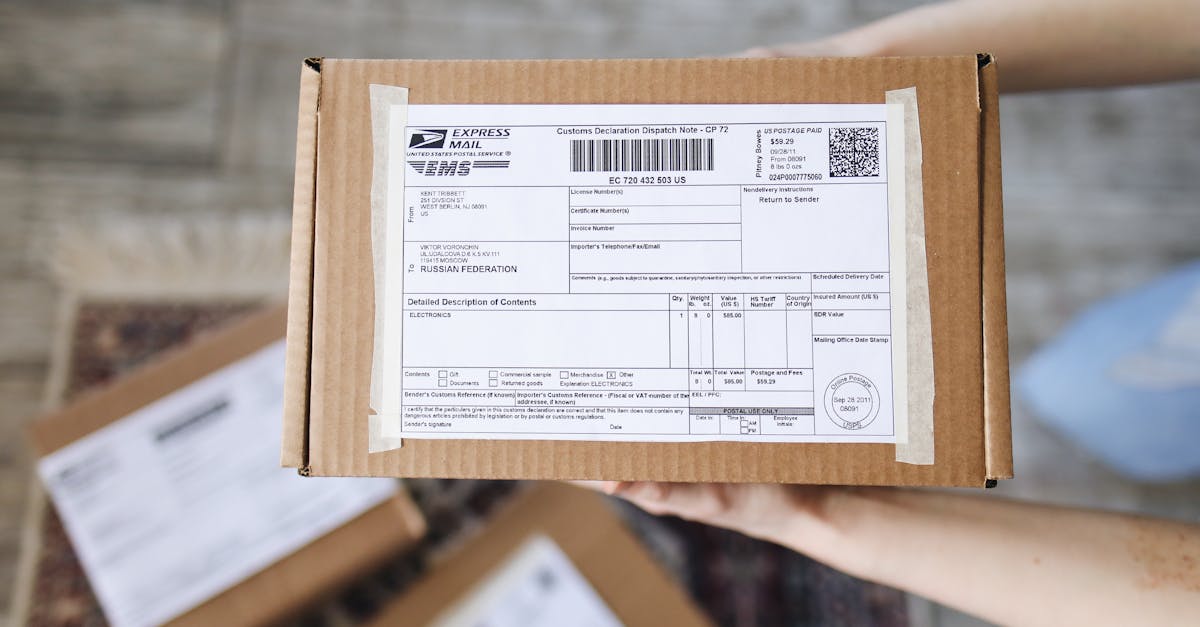
For more than two decades, Section 321 of the Tariff Act gave cross-border ecommerce a structural advantage: any shipment valued under $800 entered the United States duty-free. No tariffs, no formal customs entry, no paperwork. That exemption processed over 1.4 billion packages in 2024 alone. It powered the direct-to-consumer import model for businesses of every size, from two-person dropshipping operations to platforms processing millions of daily parcels.
As of 2026, that exemption no longer exists. The suspension is global, it applies to every country of origin, and there is no announced timeline for restoration. This post covers exactly what changed, what the new cost structure looks like, and what cross-border sellers need to do now.
What Section 321 De Minimis Was and Why It Ended
Section 321 allowed any single import shipment valued at $800 or less to skip customs duties entirely. The threshold was raised from $200 to $800 in 2016 under the Trade Facilitation and Trade Enforcement Act (TFTEA). The intent was to reduce the administrative burden on Customs and Border Protection (CBP) for low-value packages that cost more to process than the duties they would generate.
The unintended consequence was massive. De minimis shipments grew from 134 million in 2015 to over 1.36 billion by 2024. Roughly 4 million packages per day entered the US without any duty assessment. The estimated lost tariff revenue exceeded $80 billion annually. The exemption also created an uneven playing field: overseas sellers shipping direct to consumers paid zero duty, while domestic retailers importing the same goods in bulk containers paid full tariff rates.
"De minimis removal is the nail in the coffin for dropshipping cheap goods from China. No more $2 to $5 free-shipping illusions. Tariffs make it $8+ landed. 80% of my store's products are unprofitable now."
r/dropshipping, 2025
The suspension came in stages. On May 2, 2025, de minimis ended for all shipments originating from China and Hong Kong. On August 29, 2025, Executive Order 14257 expanded the suspension to all countries worldwide. A February 2026 White House proclamation confirmed the suspension continues indefinitely. The legislative foundation was further solidified by H.R. 1, the "One Big Beautiful Bill Act," signed July 4, 2025.
The New Duty Structure for Low-Value Shipments
Every package that previously cleared customs duty-free now faces one of several duty structures depending on origin, product type, and shipping method. Here is a summary of the current framework.
| Shipment Type | Pre-Suspension Duty | Post-Suspension Duty (2026) | Additional Fees |
|---|---|---|---|
| China/HK origin (any value) | $0 if under $800 | 120% ad valorem or $100-$200 flat per item | Section 301 tariffs stack on top |
| Postal shipments (all origins) | $0 if under $800 | $80-$200 per item or standard IEEPA rate | Designated handler required |
| Non-China origin (any value) | $0 if under $800 | Standard tariff rate for HS code + reciprocal tariff | Formal/informal entry processing fees |
| USMCA-qualifying (Mexico/Canada) | $0 if under $800 | 0% if USMCA-qualifying, 25% if not | Rules of origin documentation required |
Additional enforcement rules took effect on August 3, 2025. Civil fines of $5,000 to $10,000 now apply to anyone caught splitting orders or misstating values to stay under the former threshold. Starting July 1, 2027, a per-recipient cap of $800 per day will formalize limits on high-volume carve-outs. Products subject to Section 201, 232, or 301 tariffs, and items regulated by the FDA, are explicitly excluded from any future reinstatement scenarios.
Who Gets Hit Hardest: Business Model Breakdown
The de minimis suspension does not affect every seller equally. The impact depends on where you source, how you fulfill, and what price point you operate at.
Direct-to-Consumer Dropshippers
Sellers who ship individual packages from overseas suppliers to US customers face the most severe impact. Every package now requires a customs entry and duty payment. For low-cost goods, the duty can exceed the product value itself.
- A $12 product from China now carries $14 to $24 in combined duties and processing fees
- Per-package brokerage fees add $2 to $5 on top of duties
- Delivery times increase by 3 to 7 days due to customs processing
- Return logistics become a triple loss: duty paid, return shipping cost, and lost sale
"Switched 70% of my suppliers to Vietnam and India post-tariffs. Initial 3-month chaos with quality issues and longer leads, but now margins back to 25%."
r/smallbusiness, 2026
Bulk Importers and FBA Sellers
Sellers who already import in container quantities and fulfill domestically feel a lighter impact. They were paying duties on container-level shipments before the de minimis change. Their per-unit duty cost is lower because brokerage and processing fees get amortized across thousands of units instead of applied per package. The main new burden is higher tariff rates from reciprocal tariff increases that coincided with the de minimis suspension.
Platform-Dependent Sellers
Sellers on platforms that handled fulfillment through direct China shipping face forced model changes. These platforms built their entire value proposition on de minimis. Without it, the cost structure that supported $3 goods with free shipping to the US no longer works. These platforms are now pivoting to US warehousing, nearshoring, and bulk import models.
For a full breakdown of the broader tariff landscape that compounds these changes, see our 2026 US tariff changes guide.
Landed Cost Math After De Minimis
Every pricing and sourcing decision now requires landed cost calculations that account for the new duty structure. Here are two scenarios that illustrate the shift.
Scenario 1: A $15 Consumer Good from China
- Product cost: $4.00
- International shipping (per unit): $3.00
- Customs duty (120% ad valorem on $4.00): $4.80
- Section 301 stacked tariff (25%): $1.00
- Brokerage and processing fees (amortized): $1.50
- Total landed cost: $14.30
- Previous landed cost under de minimis: $7.50
- Margin at $15 retail: 4.7% (was 50%)
Scenario 2: A $40 Product from Vietnam
- Product cost: $12.00
- International shipping (per unit): $4.00
- Customs duty (10% reciprocal): $1.20
- Brokerage and processing fees (amortized): $1.00
- Total landed cost: $18.20
- Previous landed cost under de minimis: $16.50
- Margin at $40 retail: 54.5% (was 58.8%)
The difference is stark. China-sourced low-cost goods see margins collapse to near zero. Non-China goods at higher price points absorb the change more easily. The math makes it clear: source diversification is no longer optional for sellers who relied on China-direct fulfillment.
"Tariffs on small packages from China turned my side hustle into a money pit. Used to clear 100 units a day duty-free. Now each box is $2 to $4 extra. Raised prices, lost rankings, revenue down 28% month over month."
r/FulfillmentByAmazon, 2025
Five Adjustments for Cross-Border Sellers
The de minimis exemption is not coming back in any form that resembles what existed before. These are the operational changes that protect margins in the current environment.
1. Shift from Per-Package to Bulk Import
The per-package direct shipping model is dead for most price points. Importing in bulk via container freight to a US warehouse, then fulfilling domestically, reduces per-unit duty handling costs and eliminates per-package brokerage fees. It also improves delivery speed from 7 to 15 days down to 2 to 3 days, which directly affects conversion rates and marketplace ranking.
This transition requires working capital and introduces inventory risk. But the unit economics are dramatically better. A customs entry on a container of 5,000 units costs roughly the same as a customs entry on a single package. For a detailed playbook on making this shift, see our post-tariff inventory playbook for dropshippers.
2. Diversify Country of Origin
China tariffs compound the de minimis loss with rates that can exceed 145% when Section 301 duties stack on reciprocal tariffs. Moving sourcing to countries with lower reciprocal rates reduces the duty burden significantly.
- Vietnam: 10% during negotiation pauses (subject to change)
- India: 26% reciprocal, growing manufacturing capacity in textiles and home goods
- Mexico: 0% on USMCA-qualifying goods, 3 to 5 day ground shipping to most US markets
- Cambodia and Bangladesh: lower rates than China, strong in apparel
Qualifying new suppliers takes 3 to 6 months. The sellers who started this process in mid-2025 are already seeing margin recovery. Those who have not started are running out of time.
3. Audit HS Code Classifications
With duties now applying to every shipment, the tariff rate assigned to each product matters far more than it did under de minimis. The difference between two similar HS codes can be 10 to 15 percentage points in duty rates. Work with a licensed customs broker to review every active SKU. Many sellers are overpaying because they used a generic classification when a more specific, lower-duty code applies. Check current rates in the Harmonized Tariff Schedule from the US International Trade Commission.
4. Use DDP Pricing to Protect Customer Experience
If you still fulfill cross-border shipments to US customers, Delivered Duty Paid (DDP) pricing is the only viable approach. Under Delivered Duty Unpaid (DDU), customers receive surprise duty charges at delivery. This leads to refused packages, chargebacks, and negative reviews. DDP means you absorb the duty cost and build it into your retail price. The customer sees a clean final price. You maintain control of the experience.
5. Recalculate Margins Per SKU and Per Channel
A blanket price increase across your catalog is the fastest way to lose rankings and customers. Instead, segment your SKUs by duty impact.
- High-margin products: absorb the increase entirely to maintain price competitiveness
- Mid-margin products: split the duty cost 50/50 between price increase and margin compression
- Low-margin products: pass through the full cost or discontinue if the new price kills demand
This requires per-SKU landed cost visibility across every sales channel. An inventory system that tracks landed cost at the product level, not just a blanket margin assumption, is what separates sellers who adapt from sellers who bleed cash without knowing why.
What Sellers Are Asking About De Minimis
Across forums, trade groups, and seller communities, the same questions keep surfacing. Here are direct answers.
Will de minimis come back?
There is no legislative or executive action pending that would restore the $800 duty-free threshold. The February 2026 White House proclamation reinforced the suspension. The "One Big Beautiful Bill Act" codified elements of it into law. Even if a future administration reverses course, the enforcement infrastructure built around full customs processing of low-value shipments is unlikely to be dismantled quickly. Plan as if the exemption is gone permanently.
Can I split orders to stay under a threshold?
No. Civil penalties of $5,000 to $10,000 per violation apply to order splitting or value misstatement. CBP has invested in detection systems specifically targeting this practice. The risk far outweighs any potential savings.
How do platforms like Temu handle this now?
Platforms that relied on high-volume de minimis shipments from China are restructuring their logistics. The pivot is toward US-based warehousing, bulk container imports, and partnerships with domestic fulfillment networks. For sellers evaluating whether to sell through these platforms, the fee structure and fulfillment model have changed significantly. See our Temu Seller Center guide for current details.
Do duties apply to returns?
Yes. Import duties paid on goods are generally not refunded when a customer returns the product. Duty drawback programs exist for re-exported goods, but they require extensive documentation and take 6 to 18 months to process. For standard ecommerce returns, the duty cost is a permanent loss.
The Section 321 de minimis exemption shaped cross-border ecommerce for over two decades. Its removal forces a structural rethink of sourcing, fulfillment, and pricing for every seller who ships goods into the United States. The sellers who treat this as a permanent change and restructure now will maintain margins. The ones waiting for a reversal will keep losing money on every package that crosses the border.
Frequently Asked Questions
No. The $800 duty-free threshold was suspended for China and Hong Kong shipments on May 2, 2025, and extended to all countries on August 29, 2025. A February 2026 White House proclamation confirmed the suspension continues with no restoration date.
All shipments under $800 now require formal or informal customs entry with applicable duties, taxes, and fees. For postal shipments, fixed duties of $80 to $200 per item or standard IEEPA tariffs apply. The specific rate depends on product category, origin country, and applicable tariff schedules.
No. While restrictions initially targeted China and Hong Kong starting May 2, 2025, Executive Order 14257 from April 2, 2025 and subsequent actions suspended de minimis duty-free treatment for all countries as of August 29, 2025. No country of origin qualifies for the exemption.
Every individual dropshipped package now incurs customs duties regardless of value. A $15 product from China can carry $20 or more in duties and fees. The per-package direct shipping model that made low-cost dropshipping profitable is no longer viable for most product categories.
Related Articles
View all
Shopify Just Democratized Wholesale. DTC-Only Brands Should Be Nervous
Shopify is bringing native B2B features to more merchants. That lowers the barrier to wholesale and pressures DTC-only brands to rethink channel strategy.
The DTC-Only Brand Is Dead. B2B Is the Comeback Channel
DTC brands are rediscovering B2B because paid acquisition is volatile and wholesale can create repeatable, larger, more predictable order flow.

AI Checkout Failed the First Test. Here's Why Shoppers Still Prefer Real Stores
AI shopping is moving fast, but checkout is proving harder than discovery. Retailers want AI traffic without surrendering the customer relationship.