Strait of Hormuz Supply Chain Response Plan for Ecommerce Brands
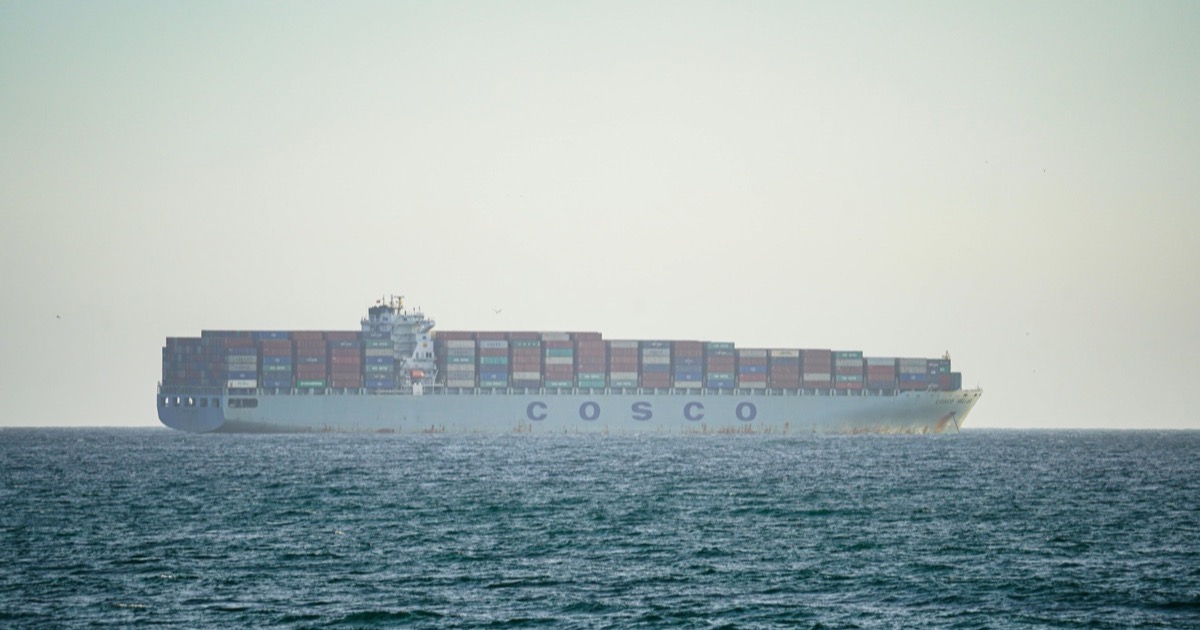
Oil above $110 a barrel. Gas at $4.02 a gallon nationwide — the highest since 2022. Thousands of ships stranded in the Persian Gulf. The Philippines declaring a national energy emergency. And a US president threatening to destroy Iranian power plants if a key waterway isn’t reopened by April 6.
If you sell physical products online, this is not a distant geopolitical story. This is your supply chain.
The ongoing US-Israel conflict with Iran has effectively shut down the Strait of Hormuz — the narrow waterway through which roughly 20% of the world’s oil and 20% of its LNG normally flows every single day, according to the US Energy Information Administration. Iran has turned it into what analysts are calling a “Tehran toll booth,” charging ships up to $2 million per transit. According to UNCTAD, the disruption is already raising energy, freight, and insurance costs across global supply chains — with the heaviest impact falling on developing economies and export-dependent industries.
Whether the April 6 deadline produces a deal or an escalation, the damage is already real and accelerating. Freight rates are moving. Carrier surcharges are climbing. Lead times from Asian suppliers are stretching. And ecommerce brands — especially those selling across multiple channels — are directly in the crossfire.
Here’s exactly what’s happening, what it means for your business, and what you should do about it now.
Why a Gulf Crisis Is an Ecommerce Problem
You don’t need to import from Iran. You don’t need to sell in the Middle East. The Strait of Hormuz is the world’s single most important energy chokepoint — and according to the International Energy Agency, there is almost no practical way to reroute the volumes that normally flow through it. Pipeline alternatives exist, but they can absorb only a fraction of normal Hormuz flows. Five of the major producing countries in the region have zero pipeline alternatives whatsoever.
When the strait closes, the effects travel through every supply chain on earth through four mechanisms.
Freight costs follow oil prices — fast. Every carrier you use — DHL, FedEx, UPS, ocean freight lines — runs on fuel. According to Digital Commerce 360, UPS increased its domestic fuel surcharge by 1% in March alone — the second such increase this year. FedEx and UPS now run fuel surcharges of roughly 20% to 25% of shipping costs. And USPS, historically surcharge-free, has filed for its first-ever 8% fuel surcharge on packages starting April 26, to run through January 2027.
Manufacturing costs rise on a 4–8 week lag. Plastics, packaging, electronics, textiles — nearly every physical product has petroleum somewhere in its production chain. Manufacturers absorb cost shocks for a few weeks, then pass them on. If oil stays above $100, your supplier pricing conversations in May and June will look very different from January.
Asian suppliers face direct energy pressure. According to the EIA, 84% of the crude oil and condensate that moved through the Strait of Hormuz in 2024 went to Asian markets — China, India, Japan, and South Korea being the largest buyers. When these economies face energy cost spikes, the pressure flows through to their manufacturing output, lead times, and export pricing.
Ship rerouting is blowing out delivery windows. According to the Dallas Federal Reserve, a complete Hormuz closure removes close to 20% of global oil supplies and is expected to lower global GDP growth by nearly 3 percentage points in Q2 2026. Vessels rerouting around the Cape of Good Hope instead of transiting the strait add 10–14 days to journey times. Lead times you built your inventory model around are now unreliable.
5 Specific Risks for Multichannel Ecommerce Sellers Right Now
1. Simultaneous Stockouts Across Every Channel
This is the risk that hits multichannel sellers hardest and fastest. When a supply disruption delays your replenishment stock and you don’t have real-time visibility across all platforms, you don’t run out on one channel — you run out everywhere, all at once.
If you’re selling the same SKU on Amazon and eBay simultaneously without live, synchronised inventory, you face an impossible choice when stock runs low: oversell and eat the cancellations and negative feedback, or manually pull listings offline and lose the sales rank you’ve spent months building.
2. Margin Erosion from Surcharges You Haven’t Accounted For
Carrier fuel surcharges now reprice weekly during high-volatility periods. If your shipping cost estimates are based on last quarter’s rates, your current margins are likely overstated. The math moves quickly: on a $25 product with a $4 margin, a 20% surcharge increase on a $6 shipping cost is 90 cents per order — a 22% effective margin reduction from a single line item you didn’t see coming.
3. Supplier Lead Time Expansion Without Warning
Suppliers prioritise their largest customers first when facing their own cost pressures. Smaller brands often find lead times quietly expanding — 3 weeks becoming 5, 5 weeks becoming 8 — without any formal notification. You discover it when your expected replenishment date slips past the point where your safety stock runs out and orders start failing.
4. Demand Softening in Discretionary Categories
When US gas prices average over $4 a gallon — the largest single-month jump AAA has ever recorded — household spending behaviour shifts. Discretionary ecommerce categories like home décor, fashion, hobby goods, and gifts see softening demand first. This doesn’t mean panic, but it does mean right-sizing replenishment on slower-moving SKUs while protecting stock positions on your highest-velocity lines.
5. Carrier Capacity Constraints and Compounding Surcharges
According to CNBC, Goldman Sachs now projects Brent crude averaging $115 in April, and has raised its inflation forecast while lowering GDP growth estimates. As fuel costs rise across every carrier’s network simultaneously, capacity tightens and surcharges compound. Brands locked into a single carrier — or with no automated carrier selection logic — are most exposed. Those with flexible, multi-carrier fulfilment configurations can shift volume and cost as the landscape changes week by week.
6 Operational Moves to Make Right Now
1. Get Real-Time Inventory Visibility Across Every Channel
The single most important thing you can do in a supply chain disruption is know exactly what you have, where it is, and which channels are at risk — in real time.
This is not a spreadsheet problem you can solve with better spreadsheets. During a disruption, your inventory position changes with every order across every channel. If stock counts are being manually reconciled, you’re making replenishment and routing decisions on data that’s already wrong.
Nventory’s multichannel OMS syncs inventory across all your sales channels in under 5 seconds, bidirectionally. When an order comes in on Shopify, your Amazon, eBay, and Walmart listings update within seconds. When stock arrives at a warehouse, every channel reflects it immediately. That live visibility is the foundation of everything else you need to do.
2. Increase Safety Stock on Your Top 20% of SKUs
The just-in-time model works well in stable conditions. Right now, it’s a liability. Identify the 20% of SKUs that drive 80% of your revenue and increase your reorder points before your competitors do and before freight gets worse.
The goal isn’t to over-invest across the board. It’s to build targeted buffer on lines you can’t afford to run out of, while accepting tighter positions on slower-moving products where the cost of excess inventory outweighs the stockout risk.
With Nventory’s inventory intelligence features, you can monitor stock levels and velocity across every warehouse location and every sales channel simultaneously — identifying at-risk SKUs before they become stockouts, not after.
3. Activate Smart Order Routing Immediately
If you fulfil from multiple warehouse locations — or combine your own fulfilment with Amazon FBA — intelligent order routing is one of the most powerful tools you have right now. When one warehouse is running low, orders should automatically route to the nearest available location that has stock. When fuel surcharges are elevated, routing logic should weight for proximity and carrier cost efficiency, not just delivery speed.
Nventory’s smart order routing directs each order to the optimal warehouse based on stock availability, proximity, and carrier cost — without any manual intervention. During a supply chain crisis, the difference between automatically routing to the nearest stocked warehouse and defaulting to a single warehouse regardless of stock levels isn’t just operational efficiency. It’s the difference between maintaining your fulfilment SLA and breaking it across hundreds of orders.
4. Set Automated Low-Stock Alerts Across All Channels
You cannot monitor every SKU across every channel manually. You shouldn’t have to. But during a supply disruption, the window between “getting low” and “out of stock” can close very quickly — especially on fast-moving products when incoming stock is delayed.
Nventory’s AI Suite lets you build monitoring rules in plain English — no code required. “Alert me on Slack when any SKU drops below 14 days of stock cover across any channel.” “Pause Amazon listings automatically when FBA stock falls below 10 units.” Describe what you need, the AI configures it, and it runs automatically. This kind of automated monitoring catches stockout risk two weeks before it impacts customers — not after the negative reviews are already in.
5. Diversify Carriers and Audit Your Shipping Costs This Week
USPS is introducing its first-ever 8% fuel surcharge on packages starting April 26. FedEx and UPS fuel surcharges are already running at 20–25% of shipping costs and adjusting upward. DHL is applying emergency surcharges on international shipments. Pull your carrier agreements now and compare the surcharge schedules against what you budgeted. If you’re moving meaningful volume, contact your carrier rep about rate stability options for the next 60–90 days.
If you’re currently single-carrier dependent, now is the time to set up at least one backup in your fulfilment workflow so you can shift volume quickly if rates or capacity become a problem. Nventory supports FedEx, UPS, DHL, USPS, Royal Mail, and more — all managed from a single platform with automatic carrier selection.
6. Contact Your Key Suppliers This Week
This is the most underused move in a supply disruption. Contact your two or three most critical suppliers directly and ask: Are you seeing energy cost pressure? Are lead times changing? Can you hold current pricing through Q2?
Suppliers communicate proactively with buyers who engage early. Brands that wait until they’ve run out of stock get worse answers than those that planned ahead. If you source heavily from East Asia, now is also a good time to identify at least one backup supplier in a different geography for your most critical products — not to switch, but to know who you’d call.
The Bigger Picture: Supply Chain Visibility Is Competitive Advantage
Every few years, something disrupts global supply chains at scale — a pandemic, a canal blockage, a port strike, a conflict, a weather event. The causes change. The vulnerability they expose is always the same: brands without real-time operational visibility cannot adapt fast enough when things go wrong.
The Strait of Hormuz crisis is the current stress test. According to UNCTAD, continued monitoring is essential as economic impacts will depend on the duration, intensity, and scope of the disruption — all of which remain uncertain. Even if a ceasefire is reached on April 6, oil market normalisation takes weeks to months, and rerouting delays persist well beyond any political resolution.
The brands that come through this — and through the next disruption, whatever it is — are not the ones with the most complex contingency plans. They’re the ones who can answer three questions in real time:
- What stock do I have, across every location, right now?
- Which channels are at risk of stockout in the next 14 days?
- Can I route today’s orders to the best available fulfilment location automatically?
If any of those answers require a spreadsheet, a manual stock count, or a Slack message to a warehouse team — that gap is what costs you when things go wrong.
How Nventory Helps You Stay Resilient During Supply Chain Disruption
Nventory is a multichannel order management platform built for exactly this kind of operational pressure.
Live inventory sync across 30+ channels — stock levels update across Shopify, Amazon, eBay, Walmart, WooCommerce, TikTok Shop, and more in under 5 seconds — bidirectionally. No overselling. No manual reconciliation. One source of truth across every channel.
Smart order routing — every order is automatically directed to the optimal fulfilment location based on stock availability, proximity, and carrier cost. When one warehouse is low, routing adapts automatically.
AI-powered automation — Nventory’s AI Suite lets you build fulfilment rules, low-stock alerts, and channel automations in plain English. No developers. No code. Build in minutes what would otherwise take weeks.
Multi-carrier shipping — manage FedEx, UPS, DHL, USPS, and Royal Mail from a single platform, with automatic carrier selection based on cost, speed, and availability.
Unified order dashboard — every order across every channel, in real time. See where fulfilment is at risk before it affects your customers and your reviews.
Plans start at $29/month with a 14-day free trial — no credit card required, setup in under 10 minutes.
Frequently Asked Questions
Will the Strait of Hormuz crisis affect my shipping costs? Almost certainly, yes — and it already is for many sellers. According to Axios, UPS and FedEx fuel surcharges now run 20–25% of shipping costs, and USPS is adding its first-ever 8% fuel surcharge on packages starting April 26. Check your carrier rate agreements now and compare them against current published surcharge schedules.
How long will this disruption last? Uncertain — but longer than most hope. The April 6 deadline is the immediate trigger point. Even in an optimistic scenario where the strait reopens, oil market analysts at CNBC note that price normalisation and supply chain recovery will take weeks to months, not days. Prudent planning should account for disruption through at least Q2 2026.
I sell domestically with US fulfilment only — does this affect me? Yes, in two ways. First, many domestic products contain components or materials sourced internationally, where your suppliers face rising costs. Second, higher gas prices affect consumer spending on discretionary categories broadly. The largest single-month jump in gas prices AAA has ever recorded is already affecting how consumers allocate household budgets.
What’s the single most important thing to do right now? Get real-time visibility across your entire inventory position across every sales channel. You cannot manage a supply disruption you can’t see clearly. Routing, replenishment, and channel prioritisation decisions all depend on having accurate, live inventory data.
How does Nventory specifically help during supply chain disruption? Nventory gives you live inventory sync across 30+ channels, smart order routing that adapts automatically when stock is low, and AI-powered automation to monitor and respond to inventory risks — all from a single dashboard. See all integrations or start a free 14-day trial.
Final Thought
Geopolitical crises are unpredictable. Supply chain vulnerability is not.
The Strait of Hormuz crisis is this season’s stress test. It will expose brands operating with siloed inventory data, single-carrier dependency, and manual fulfilment workflows. And it will reward brands that have built real operational visibility into their multichannel operations before they needed it.
If this moment is the prompt you needed to get your inventory and order management infrastructure in order — take it.
Ready to protect your multichannel operations? Start your free 14-day trial of Nventory — no credit card required, setup in under 10 minutes. Or explore all 30+ integrations to see how Nventory connects with your existing stack.
Frequently Asked Questions
Yes. Fuel surcharges are already rising across major carriers, and international shipments are seeing emergency surcharges layered on top. Even domestic sellers feel the impact through higher parcel costs, supplier price increases, and reduced margin on each order.
Brands should plan for disruption through at least Q2 2026, not just until the immediate political deadline passes. Even if transit normalizes quickly, oil pricing, rerouting delays, and supplier repricing tend to lag for weeks or months.
Get real-time inventory visibility across every channel and fulfillment location. When replenishment stock is delayed, you need to know exactly what is available, where it sits, and which channels are closest to stockout before overselling starts.
No. Increase safety stock selectively on the top 20% of SKUs that drive most of your revenue. Broad overbuying ties up cash, but targeted buffers on high-velocity products reduce the risk of stockouts during volatile lead-time periods.
Nventory gives brands live inventory sync across channels, smart order routing, automated low-stock monitoring, and multi-carrier fulfillment controls from one platform. That reduces overselling risk and makes it easier to respond quickly when supply or shipping conditions change.
Related Articles
View all
Shopify Just Democratized Wholesale. DTC-Only Brands Should Be Nervous
Shopify is bringing native B2B features to more merchants. That lowers the barrier to wholesale and pressures DTC-only brands to rethink channel strategy.
The DTC-Only Brand Is Dead. B2B Is the Comeback Channel
DTC brands are rediscovering B2B because paid acquisition is volatile and wholesale can create repeatable, larger, more predictable order flow.

AI Checkout Failed the First Test. Here's Why Shoppers Still Prefer Real Stores
AI shopping is moving fast, but checkout is proving harder than discovery. Retailers want AI traffic without surrendering the customer relationship.