Prime Day Is Coming Early: The June Sales Shock Sellers Can't Ignore
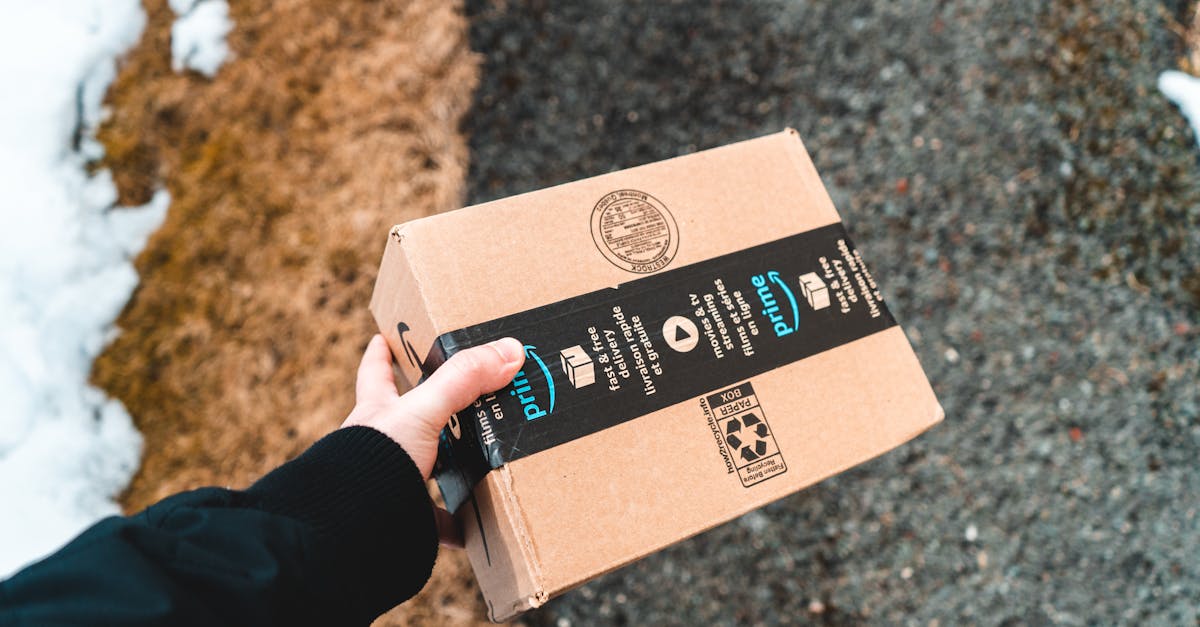
Amazon just moved the summer calendar
Amazon has confirmed that Prime Day 2026 will happen in June in 26 countries.
That sounds like a simple calendar update. It is not.
For Amazon sellers, ecommerce brands, retail media teams, and competitors running their own summer promotions, moving Prime Day earlier changes planning windows, inventory timing, cash-flow pressure, ad budgets, and back-to-school strategy.
Prime Day has become more than an Amazon event. It pulls demand forward across ecommerce. It trains shoppers to wait for deals. It pressures other retailers to respond. It changes search behavior, affiliate calendars, creator content, and paid media costs. Even brands that do not sell heavily on Amazon can feel the effects because shoppers compare prices everywhere.
When the biggest online sales event of the summer moves earlier, brands cannot run the same playbook on the same timeline.
The lazy response is to treat Prime Day like a discount holiday. The sharper response is to treat it like a market reset.
June Prime Day means less time to prepare, less room for inventory mistakes, and a bigger penalty for brands that wait until the last minute to decide their offer.
Why the timing matters
Prime Day usually sits close to the start of the back-to-school shopping season. A June event pulls some of that demand earlier and creates a different customer mindset.
In July, many shoppers are already thinking about school, dorms, work resets, summer travel, home projects, and late-summer needs. In June, the customer may be earlier in that consideration cycle. That can be good or bad depending on your category.
For electronics, home, beauty, apparel, groceries, and household essentials, Amazon is already positioning the event around broad savings, trending products, creator favorites, fresh groceries, and back-to-school preparation. That makes the event less like a narrow tech sale and more like a full retail moment.
The timing also affects sellers' internal operations.
Inventory needs to be ready sooner. Promotional pricing needs to be locked sooner. Creative needs to be ready sooner. Retail media budgets need to be planned sooner. Influencer and affiliate campaigns need to be booked sooner. Forecasts need to account for demand moving from July into June.
Brands that were planning to "figure out Prime Day next month" may already be late.
Prime Day is no longer only an Amazon question
Even if your brand is not Amazon-first, Prime Day changes customer expectations.
Shoppers do not mentally separate channels the way operators do. They compare Amazon, Walmart, Target, TikTok Shop, brand websites, Google Shopping, and social offers in the same buying journey.
If Amazon runs aggressive discounts in your category, your owned site may see slower conversion unless you give shoppers a reason to buy from you directly.
That reason does not always need to be a lower price. It can be a better bundle, better warranty, loyalty points, exclusive colors, faster support, subscription savings, gift-with-purchase, richer education, or a clearer fit guarantee.
But there must be a reason.
If your Amazon offer, website offer, and marketplace offer are all improvised, shoppers will find the weakest point in your channel strategy. That could mean buying the lowest-margin option, waiting for discounts, or choosing a competitor who communicates more clearly.
This is why Prime Day planning belongs in the same conversation as channel architecture. How does Amazon support the brand? How does the owned site protect margin and data? How does TikTok Shop drive discovery? How do AI shopping surfaces describe your product? These questions are connected, as covered in Your Shopify Store Inside ChatGPT Has One Massive Problem.
The inventory mistake sellers make every year
Prime Day creates two opposite inventory risks.
The first is understocking. The brand runs a strong promotion, sells through too quickly, loses ranking momentum, disappoints shoppers, and wastes ad spend.
The second is overstocking. The brand gets too aggressive, misreads demand, ties up cash, and ends the event with inventory that needs to be cleared at worse margins later.
June timing makes both risks more painful because it changes the recovery window.
If you understock in June, you may miss not only Prime Day demand but also the early back-to-school ramp. If you overstock, you may enter the rest of summer with cash trapped in inventory before Q4 planning starts.
Good Prime Day planning starts with SKU-level discipline.
Not every product deserves a Prime Day push. Pick products with enough stock, enough margin, enough review strength, enough operational reliability, and enough relevance to summer or back-to-school demand.
Your best Prime Day SKU may not be your newest product. It may be the product with the cleanest economics and the lowest risk of post-sale disappointment.
Ask:
Can this SKU handle a spike?
Can we replenish quickly if demand beats forecast?
Does the product have enough reviews to convert deal traffic?
Will discounting this product damage full-price perception?
Can we bundle it to protect AOV?
Does this product create repeat customers?
What happens to margin after ads, fees, discounts, and returns?
The wrong Prime Day product can generate impressive sales and weak profit.
Discounts are not strategy
Prime Day pushes brands toward discounting, but discounting alone is not a strategy.
A discount answers only one question: "Is this cheaper right now?"
It does not answer why the product is worth buying, whether the shopper should trust it, whether it fits their situation, or whether the brand is better than alternatives.
If your category is crowded, a discount may get attention but not conviction.
The better approach is to pair the offer with a clear buying argument.
For a beauty brand, that might be a routine bundle for summer skin.
For an electronics accessory brand, it might be a back-to-school desk setup.
For a luggage brand, it might be a travel bundle with packing cubes and a personal item bag.
For a home brand, it might be a "reset your kitchen before school starts" kit.
For a supplement brand, it might be a 90-day subscription starter pack.
The offer should make the purchase easier to understand, not just cheaper.
This matters because Prime Day shoppers are not all loyal customers. Many are deal-driven, comparison-heavy, and quick to switch. If you acquire them only with price, you may lose them the same way.
Retail media will get noisy
Prime Day is also an ad market event.
Sponsored Products, Sponsored Brands, DSP campaigns, retargeting, affiliate placements, creator content, and competitor conquesting all become more intense.
The trap is blindly increasing spend because "Prime Day is big."
That may work for some products, but it can also burn margin fast. Ad costs, conversion rate, average order value, and organic rank impact need to be watched together.
A practical paid media plan should separate three jobs:
Defend your branded searches.
Capture category demand where your product has a real conversion advantage.
Retarget high-intent shoppers who engaged before or during the event.
Do not spend equally across every campaign. Prime Day rewards focus.
If your product is not competitive on price, reviews, delivery speed, or offer clarity, pushing more traffic into it may only make the weakness more expensive.
This is also where retail media trends matter. In Q1 2026, Skai reported retail media spend up 27% year over year while CPCs fell across categories. That does not guarantee Prime Day CPCs will be cheap, but it does show that brands are reallocating money across retail media with more nuance. The next post in this batch, Retail Media Got Cheaper While Everyone Was Distracted, goes deeper on that.
Owned-site brands need a Prime Day counteroffer
If you sell through your own Shopify store, Prime Day is still your problem.
Your customers may check Amazon before buying. They may delay purchases. They may expect a deal. They may compare your product against discounted alternatives.
You need a counteroffer, not necessarily a matching sale.
A counteroffer can be:
An exclusive bundle.
A loyalty credit.
A limited gift.
A subscription discount.
An extended warranty.
Free expedited shipping.
Personalized support.
A product quiz that helps shoppers choose correctly.
Early access for email subscribers.
The point is to give shoppers a reason to buy direct that Amazon cannot easily copy.
Do not frame the owned site as "same product, less convenience." That is a losing position. Frame it around brand depth, better fit, better bundle, better service, better retention benefits, or exclusive access.
Prime Day should feed retention, not just acquisition
Too many brands treat Prime Day as a sales spike and then move on.
That wastes the event.
A deal-driven customer can still become a valuable customer if the post-purchase journey is strong. The work starts immediately after checkout.
Set expectations clearly. Ship on time. Send useful product education. Recommend the next logical product. Invite reviews after the customer has had enough time to use the item. Segment Prime Day buyers separately. Watch return reasons. Build winback flows around replenishment or complementary products.
For consumables, push toward subscription after the first successful experience.
For apparel, use size and preference data to recommend the next purchase.
For electronics, send setup guides and accessory suggestions.
For home products, send care instructions and room-use ideas.
For beauty, send routine guidance and replenishment timing.
The goal is to turn a discounted first purchase into a higher-trust second purchase.
That is where many Prime Day campaigns succeed or fail. The sale happens in June. The profit may depend on July, August, and September.
Watch the competitors who do not sell on Amazon
Prime Day is an Amazon event, but it creates a whole-market response.
Walmart, Target, Best Buy, TikTok Shop sellers, niche DTC brands, and category specialists all have reasons to run counter-programming. Some will match discounts. Some will launch their own summer events. Some will use paid search and social to intercept shoppers comparing prices. Some will avoid discounting and position around better service, bundles, or exclusivity.
This matters because Amazon sellers often watch only the Amazon search results page. That is too narrow.
A shopper may see your Prime Day deal, check your brand site, search Google for reviews, look for a TikTok demo, compare with Walmart, and then return to Amazon to buy. Or they may do the reverse.
Your competitors are not only the sellers bidding on the same Amazon keyword. They are every credible option that appears in the shopper's comparison path.
Before Prime Day, search your own category the way a buyer would. Look at Google Shopping, TikTok, Amazon, Walmart, Reddit, YouTube, and AI assistants. See which brands show up, what offers they are pushing, and which objections they answer better than you.
Then decide your role.
If you are the price leader, make the offer unmistakable.
If you are the premium option, explain why the cheaper deal is not the same thing.
If you are the specialist, provide better buying guidance.
If you are the convenient option, make delivery and returns obvious.
If you are the bundle option, show why the set is easier than buying pieces separately.
Prime Day rewards brands that know the comparison the shopper is already making.
Cash flow can break a good Prime Day
The other overlooked issue is cash flow.
A strong Prime Day can create a temporary cash squeeze. Inventory is purchased before the event. Ad spend rises during the event. Marketplace payouts may lag. Returns and support costs arrive after the revenue spike. Reorders may need to be placed before the cash from the first wave is fully available.
This is especially dangerous for sellers already dealing with marketplace fee changes, delayed payouts, or thin margins.
A campaign that looks profitable on paper can still strain the business if the timing of cash in and cash out is poorly planned.
Before committing to aggressive Prime Day volume, model the cash timeline.
When do you pay suppliers?
When do you pay ad costs?
When do marketplace funds become available?
When do 3PL or warehouse costs hit?
How much inventory must be reordered if the event performs well?
What return reserve is realistic?
How much working capital do you need after the event?
This is not finance busywork. It decides whether a successful promotion creates momentum or stress.
Brands with limited cash should be careful about chasing vanity revenue. Sometimes the smarter Prime Day strategy is a controlled push on fewer SKUs, with cleaner margin and lower operational risk.
Content needs to be ready before the deal
Prime Day creative is often rushed.
The brand swaps in a discount badge, updates a few images, increases bids, and hopes deal intent does the rest.
That leaves money on the table.
The best Prime Day content answers the questions shoppers ask before a high-volume sales event:
Is this actually a good deal?
Is this the right model or size?
How does it compare with the cheaper version?
Will it arrive in time?
What do real customers say?
Is the warranty or return policy clear?
Should I buy one or a bundle?
Those answers should appear in product images, A+ content, brand-store modules, short videos, email campaigns, affiliate briefs, and owned-site pages.
If you wait until the sale starts, you are relying on price alone. That is the weakest form of persuasion because every competitor can copy it.
The stronger move is to make the deal feel obvious before the shopper sees the final price. By the time the discount appears, the customer should already understand the product, the use case, the comparison, and the reason to buy now.
The checklist for June Prime Day
Start with SKU selection. Choose products based on margin, stock, reviews, operational reliability, and strategic value.
Model contribution margin. Include discount, ad spend, platform fees, shipping, returns, and support.
Plan inventory. Build realistic demand scenarios and replenishment timing.
Define channel roles. Decide what Amazon gets, what the owned site gets, what TikTok Shop gets, and what email/SMS will promote.
Prepare creative early. Prime Day assets should not be a last-minute banner swap.
Defend branded search. Competitors will look for leakage.
Update product content. Make sure images, bullets, FAQs, reviews, and comparison points are ready.
Build a direct-site counteroffer. Give non-Amazon shoppers a reason to buy from you.
Segment event buyers. Do not dump them into generic flows.
Review performance by profit, not only revenue.
The bottom line
Prime Day moving to June is more than a date change.
It pulls demand earlier, compresses planning timelines, changes back-to-school behavior, and pressures every brand in affected categories to decide how it wants to compete.
The brands that win will not be the ones that simply discount hardest. They will be the ones that pick the right SKUs, protect margin, prepare inventory, coordinate channels, and turn event buyers into repeat customers.
Amazon changed the calendar. Sellers need to change the operating plan.
The brands that start now get to choose their strategy. The brands that wait will mostly be choosing from whatever inventory, margin, and ad budget they have left.
That is rarely where good ecommerce decisions come from.
A moved calendar rewards teams that can adjust before the market notices the constraint.
Frequently Asked Questions
Amazon has confirmed Prime Day 2026 will happen in June in 26 countries. Exact dates were not included in the announcement at the time this post was drafted.
A June event pulls demand earlier, compresses preparation timelines, changes back-to-school planning, and can create earlier inventory and cash-flow pressure than sellers expected.
No. Sellers should choose SKUs based on inventory depth, margin, review strength, operational reliability, and strategic value. Discounting weak-margin or high-return products can create revenue without profit.
They need a counteroffer that Amazon cannot easily copy: exclusive bundles, loyalty credit, gift-with-purchase, extended warranty, subscription value, better support, or sharper fit guidance.
Related Articles
View all
Amazon Rufus Can Track Prices and Auto-Buy. Your Listings Are Not Ready
Amazon Rufus can research products, track prices, and auto-buy when prices drop. Sellers need listings that answer real buyer questions, not keyword-stuffed pages.
Amazon Inventory Management: FBA Restock Limits, IPI Score & Automation
Master Amazon FBA inventory management in 2026. Understand IPI scores, restock limits, stranded inventory fixes, long-term storage fees, and how to automate replenishment across multiple sales channels.
eBay Inventory Management at Scale: Listings, Variations & Sync
Manage eBay inventory at scale across multi-variation listings, cross-channel sync with Shopify and Amazon, out-of-stock listing preservation, automated repricing, and bulk operations for sellers running 1,000+ SKUs.