Amazon and USPS Just Proved Rural Delivery Is Still the Shipping Moat
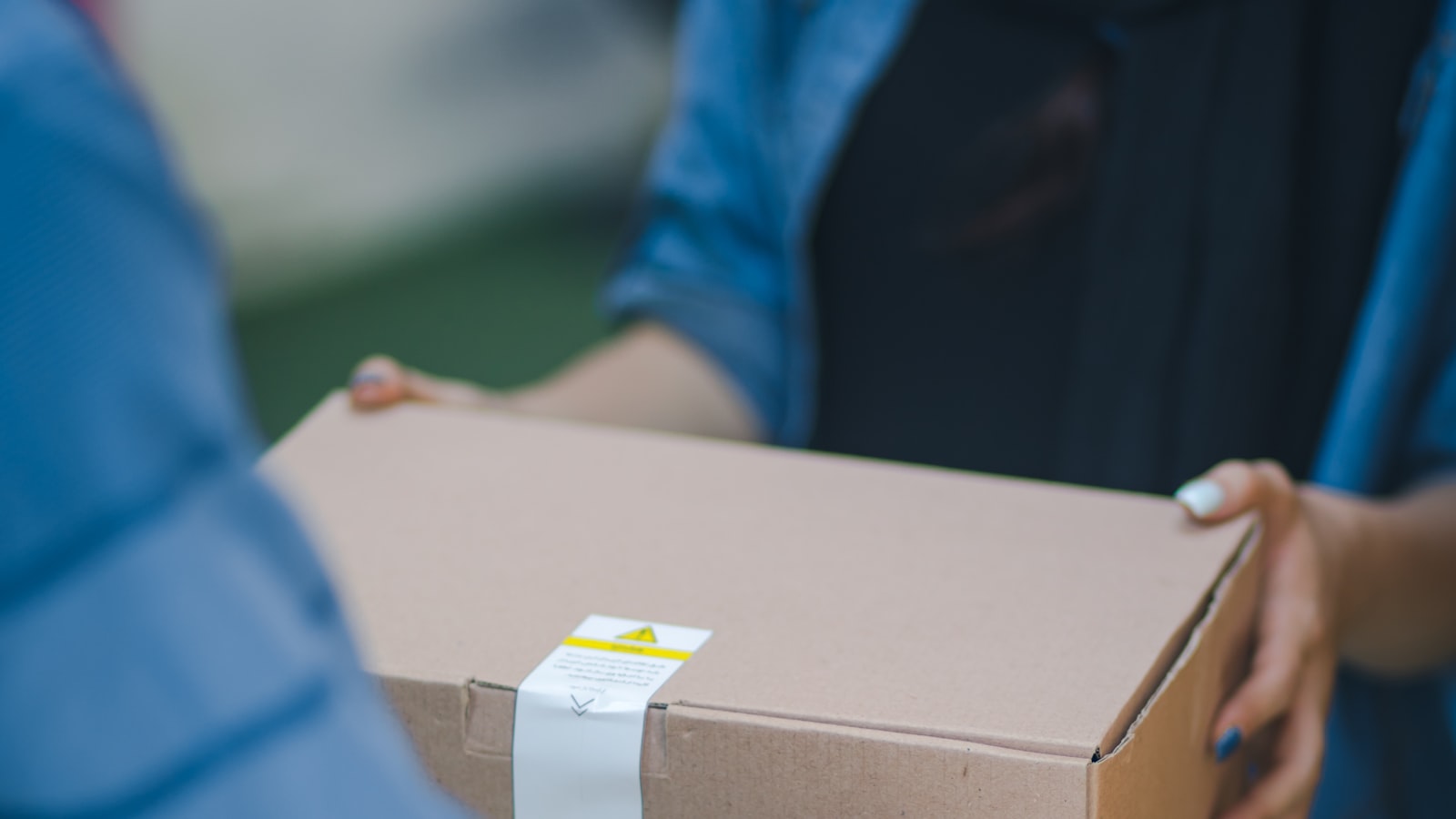
Amazon is still big enough to shape delivery expectations.
But even Amazon still needs reach.
On April 6, Reuters reported that Amazon had reached a new agreement with the U.S. Postal Service for package deliveries. The reporting said USPS would retain roughly 80 percent of Amazon's existing deliveries with the postal agency, or more than 1 billion packages a year. Amazon had previously threatened much deeper cuts, so the deal mattered for USPS. It also mattered for merchants watching the economics of last-mile coverage.
The lesson for ecommerce sellers is not "copy Amazon." The lesson is more uncomfortable: delivery coverage is becoming a competitive moat, and rural delivery is one of the hardest pieces to replicate.
Amazon has spent years building its own logistics network, while also announcing major rural delivery investments. In its own rural-delivery update, Amazon said it is investing over $4 billion to expand its rural delivery network, with plans to reach more small-town customers and deliver more packages through an expanded footprint. Yet the USPS relationship still matters because address-by-address reach is expensive.
That is the part smaller merchants should study.
The story is bigger than one contract
It would be easy to read the Amazon-USPS news as a postal-agency finance story. USPS needs package volume. Amazon wants reliable delivery. A deal preserves most of the relationship. That is true, but it is not the merchant takeaway.
The bigger point is that the last mile is not one market. Urban delivery, suburban delivery, rural delivery, apartment delivery, PO box delivery, weekend delivery, same-day delivery, heavy-item delivery, and low-cost economy delivery all behave differently. A seller who manages them as one blended shipping cost will miss where margin and conversion are actually changing.
Amazon can negotiate and build. Most merchants cannot. That makes measurement more important, not less.
Rural delivery is where averages break
Average shipping cost is a dangerous metric. It hides zones, dimensions, residential surcharges, rural reach, delivery attempts, returns, claims, and customer expectation gaps. A merchant can think shipping is under control while losing money on long-zone orders and under-serving profitable customers in harder-to-reach areas.
Rural delivery exposes the weakness. Fewer stops per route, longer distances, limited carrier density, weather exposure, and fewer same-day alternatives can all make a promise more expensive to keep. That does not mean rural customers are bad customers. It means the promise has to be priced and operationalized correctly.
Track orders by ZIP cluster, delivery zone, carrier, weight, dimensional weight, delivery speed, shipping revenue collected, shipping cost paid, and support tickets. The margin truth is usually visible there.
Amazon is teaching shoppers to expect coverage everywhere
When Amazon improves delivery in smaller towns, it does not only improve Amazon. It changes what shoppers expect from everyone. A customer who can get household basics, pet supplies, electronics accessories, and replacement items quickly from Amazon may compare every merchant's shipping promise against that baseline.
That comparison is not always rational. A small brand cannot build a national delivery network. But shoppers still feel the difference. If a merchant's site says five to eight business days while Amazon says tomorrow, the merchant needs a reason the customer accepts: better product, better brand, better price, better service, better bundle, or better trust.
Shipping promise has become part of positioning. It is not only an operations setting.
Carrier mix is now a growth lever
Many small sellers choose carriers through habit. USPS for light parcels. UPS for heavier goods. FedEx for certain business addresses. A 3PL default for everything else. That may work early, but it breaks as the catalog, geography, and customer promise get more complex.
A real carrier strategy looks at order profile. Light parcels under a pound, bulky but light goods, heavy products, fragile goods, high-value items, rural destinations, apartment-heavy cities, international orders, returns, and wholesale shipments may each need different logic.
The goal is not to constantly switch carriers. The goal is to know which carrier is best for which promise. A seller that treats all orders the same often overpays on easy orders and underperforms on hard ones.
Delivery speed should be measured against conversion
Faster delivery is not automatically better if it destroys contribution margin. Slower delivery is not automatically safer if it loses high-intent shoppers. The right question is: what does a better promise do to conversion, repeat purchase, return rate, support tickets, and profit per order?
Run shipping promise tests by product category and customer segment. Some items are urgent: replacement parts, consumables, event-driven products, baby supplies, pet supplies, health-related products, tools, gifts, and seasonal items. Other products can tolerate slower delivery if the brand or price is strong.
This is why same-day delivery for small ecommerce brands should be treated as a math problem, not a vanity promise. Speed is useful only when the customer values it more than it costs to provide.
Free shipping is getting harder to price
Free shipping used to be a simple conversion tactic. Build the cost into product price, create a threshold, and hope average order value rises. That still works in some categories. But carrier complexity makes free shipping more dangerous when order geography is uneven.
If two customers buy the same $49 item, one nearby and one rural, the shipping cost may differ enough to change contribution margin. If the merchant uses one free-shipping threshold nationally, profitable metro orders may subsidize unprofitable long-zone orders without anyone noticing.
Merchants should review free-shipping thresholds by weight, zone, product margin, and basket behavior. A blanket threshold is easy. A threshold based on real contribution margin is better.
Marketplace sellers need channel-specific shipping math
Amazon, Walmart, eBay, TikTok Shop, and DTC channels each create different shipping incentives. Marketplace customers may expect faster delivery and easier returns. Marketplace algorithms may reward on-time delivery. Seller-fulfilled programs may require strict handling times. DTC customers may tolerate slower delivery if the brand experience is strong.
A merchant selling the same SKU across channels should not assume the same shipping promise works everywhere. The channel mix changes margin, customer expectations, and account-health risk. A late delivery on an owned store is a support problem. A late delivery on a marketplace can become a visibility or account-health problem.
That is why the article on Amazon, Walmart and eBay seller policy risk belongs in the same conversation. Shipping performance is not just cost. It is platform trust.
Rural coverage can be a brand advantage
Most ecommerce advice over-focuses on dense urban customers because paid media, influencer campaigns, and same-day delivery pilots are easier to understand there. But many categories have real demand in smaller towns and rural regions: farm and garden, outdoor, pet, home repair, auto, hunting, hobby, apparel basics, health, beauty, craft, education, and specialty replacement parts.
If a merchant serves those customers reliably, delivery coverage becomes part of brand equity. The customer remembers that the product arrived when promised. They remember that the shipping page did not surprise them. They remember that returns were clear.
Do not abandon rural customers because the average cost is higher. Segment them properly. Price the promise correctly. Then decide where the margin supports growth.
Shipping pages need to stop being vague
Many shipping pages still say "orders usually ship in two to five business days" and then bury exceptions. That is not enough when customer expectations are shaped by Amazon, Walmart, Target, and fast marketplace delivery. Customers want to know when their order will arrive, what it costs, which methods are available, and what happens if the order is late.
Merchants should make delivery promises specific by destination and method wherever possible. Product pages should show estimated delivery windows before checkout. Cart pages should explain thresholds. Confirmation emails should set realistic expectations. Tracking pages should reduce support tickets.
Better communication does not make slow shipping fast, but it can make a realistic promise feel trustworthy.
Returns are part of the delivery moat
A delivery strategy that ignores returns is incomplete. Rural customers may face different return friction than urban customers. Drop-off points, carrier pickup availability, label printing, box reuse, and pickup windows can affect whether a customer buys again.
If a product has high return risk, shipping strategy should include return cost before the sale. A heavy or bulky product shipped far away may be profitable only if return rate stays low. A high-fit-risk product may need better sizing content, exchanges, or local drop-off options.
Track return cost by geography and carrier. A return from a dense metro and a return from a remote ZIP can have very different economics.
What to track after the Amazon-USPS deal
Start with delivery performance by geography. Group orders by zone, ZIP cluster, carrier, promised delivery window, actual delivery window, shipping cost, shipping revenue, return rate, and customer-service contact rate. Then compare profitability. The goal is to see which promises work and which promises are quietly leaking margin.
Next, review carrier dependency. What percentage of orders depend on one carrier? Which products have no good alternate? Which ZIP codes fail most often? Which carrier performs best for light parcels, heavy parcels, rural addresses, and business addresses? Which shipping method creates the most "where is my order" tickets?
Finally, map competitor promises. If Amazon, Walmart, Target, or a category competitor improves delivery speed in a region where you sell heavily, your conversion may change even if your own operations did nothing wrong.
Build a delivery promise ladder
Merchants do not need one shipping promise. They need a ladder. Economy delivery for low-urgency orders. Standard delivery for most purchases. Expedited delivery for urgent buyers. Local or regional fast delivery where inventory position supports it. Wholesale freight logic for larger orders. Return options that match product risk.
A ladder lets the customer choose without forcing the merchant to subsidize speed for every order. It also gives marketing better offers. Instead of saying "free shipping on everything," the merchant can say "free economy shipping," "delivery by Friday," "upgrade for two-day delivery," or "fastest option shown at checkout based on your address."
The ladder should be built from actual carrier performance, not hopes. If a carrier misses a region often, do not use that carrier to make a premium promise there. If a regional carrier performs well in a cluster, feature that option. If a bulky product cannot meet a fast promise profitably, do not pretend it can.
Inventory placement decides whether speed is profitable
Shipping speed is not only a carrier problem. It is an inventory-placement problem. A merchant with all inventory in one warehouse may pay more to reach distant customers quickly. A merchant with inventory split across regions may reduce transit distance but increase complexity, stock imbalance, and replenishment risk.
Before adding another 3PL node, calculate the density. Which products sell enough in a region to justify placement? Which SKUs are predictable enough to split? Which slow movers should stay centralized? Which products create the most long-zone shipping cost? Which customer segments care enough about speed to pay or convert better?
For many brands, the answer is not a national network. It may be one additional node for best sellers, a 3PL closer to the highest-growth region, or a marketplace fulfillment pool for SKUs where platform speed matters most.
Watch postal and carrier policy changes like marketplace policy
Carrier agreements, USPS network changes, rate adjustments, dimensional-weight rules, rural surcharges, pickup limits, claims rules, and delivery-area changes can all change order economics. Merchants often notice them only after invoices arrive. That is too late.
Assign one owner to review carrier notices and parcel invoices each week. The owner should not only ask whether rates increased. They should ask which products, zones, and channels changed. A small surcharge on one carrier may be irrelevant for high-margin beauty products but damaging for low-margin home goods.
Platform policy updates get attention because they can shut down sales. Carrier policy updates deserve similar attention because they can slowly remove margin from every order.
Use support tickets as delivery telemetry
Customer-service tickets usually reveal delivery problems before finance does. "Where is my order?" "Tracking has not moved." "It says delivered but I do not have it." "Why is shipping so expensive?" "Can this arrive before the weekend?" These messages show where the promise is confusing or unreliable.
Tag tickets by carrier, shipping method, product, destination region, and order age. If one carrier creates more tracking questions, the issue may be scan quality. If one region creates more late-delivery complaints, the promise may be too aggressive. If one product creates more damaged-delivery tickets, packaging may need review.
Support should not be the team apologizing for a broken shipping strategy. It should be the early warning system that tells operations where the strategy is breaking.
Delivery speed also changes merchandising
When a product can arrive quickly, it can be sold differently. It can support event-driven campaigns, replenishment reminders, urgency messaging, gift positioning, and last-minute buying. When a product ships slowly, the merchant needs different copy: preorder clarity, quality positioning, customization language, or expectation-setting.
That means the operations team should share delivery capability with merchandising. A marketer should know which products can safely be promoted with fast-delivery language, which products should avoid urgency claims, and which products are regionally fast only because inventory sits nearby.
This is where many stores lose trust. They use the same promotional language across products with very different fulfillment realities. The better store lets delivery capability shape the offer.
Measure delivery promises against repeat purchase
The first order tells you whether the promise converted. The second order tells you whether the promise was trusted. If customers buy once with fast shipping and never return, speed may be hiding a product or experience problem. If customers in harder-to-serve regions return at a healthy rate, the delivery strategy may be worth protecting even if first-order shipping cost is higher.
Track repeat purchase by shipping method and region. Some rural customers may be highly loyal if the merchant solves a problem local stores do not. Some urban customers may be less loyal because they have more alternatives. Averages will not show that difference.
Delivery is not only a cost center. In the right category, it is retention infrastructure.
Do not chase Amazon blindly
The wrong response is trying to match Amazon everywhere. That is how small brands destroy margin. Amazon has scale, infrastructure, negotiations, data, and an enormous membership flywheel. A merchant does not need to match that network to build a better business.
The right response is to choose where speed matters. Upgrade delivery on hero SKUs. Offer faster shipping for high-intent customers. Use regional 3PL placement where density supports it. Improve inventory positioning for products with repeat demand. Keep economy options for less urgent purchases. Use transparent promises where speed is not profitable.
Smart shipping strategy is selective. It does not turn every order into an emergency.
The bottom line
The Amazon-USPS deal is a reminder that last-mile coverage remains hard, expensive, and strategically important. Even the biggest ecommerce company still values the reach of a network that can touch rural America.
For merchants, the takeaway is practical: stop managing shipping by average cost. Track delivery cost and performance by ZIP, carrier, product, channel, and promise. Know where rural delivery helps growth, where it hurts margin, and where customers are comparing you against Amazon's standard.
Shipping is no longer just fulfillment. It is conversion, retention, marketplace trust, and margin in one system. Treat it that way.
Frequently Asked Questions
It shows that dense and rural delivery coverage still matters. Even Amazon relies on USPS reach for part of its package network, which means smaller merchants should track carrier mix, delivery promises, rural surcharges, and shipping margin.
Track delivery performance by ZIP code, carrier cost by zone, rural delivery speed, surcharge changes, on-time delivery, customer complaints, and conversion by shipping promise.
No. Shopify, Walmart Marketplace, eBay, TikTok Shop, and DTC sellers all compete against delivery expectations shaped by Amazon, USPS, UPS, FedEx, regional carriers, and store-based fulfillment.
Not automatically. The smarter move is to compare service, cost, reliability, claims, pickup convenience, and customer promise by order profile instead of assuming one carrier is best for every parcel.