Amazon FBM Return Label Changes: Impact on Seller-Fulfilled Orders
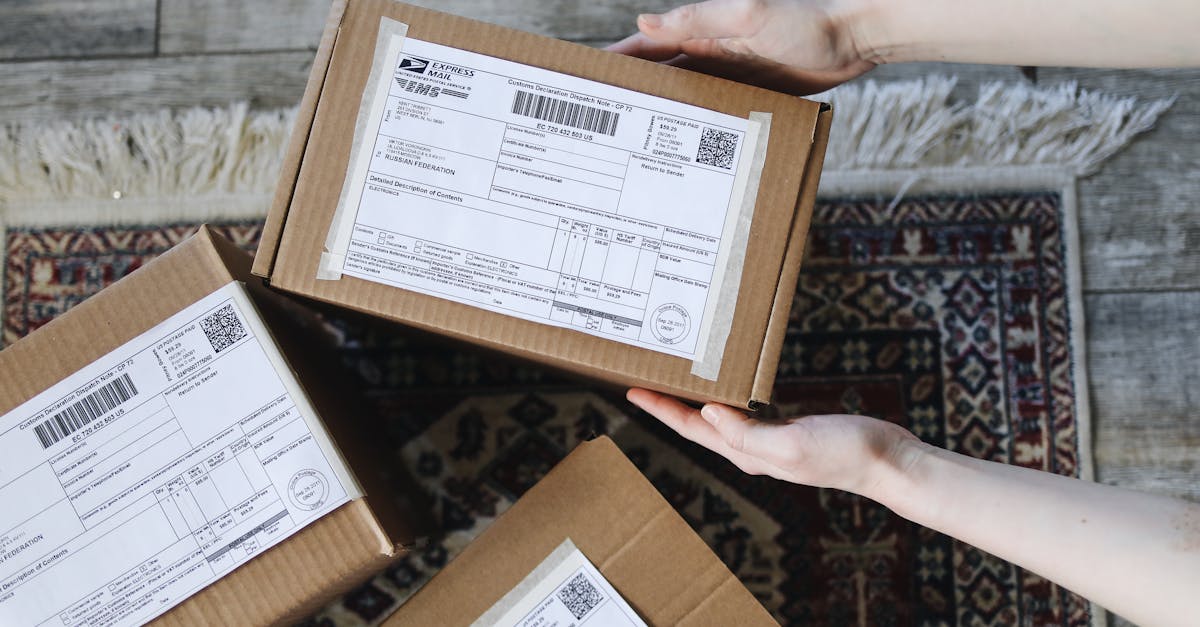
On February 8, 2026, Amazon removed the high-value item exemption from its prepaid return label program for seller-fulfilled (FBM) orders. Every FBM order in the U.S. marketplace now requires a prepaid return shipping label, regardless of product price or category (with a narrow set of exceptions). This is not a minor policy tweak. For sellers who relied on the exemption to protect margins on expensive inventory, the change rewrites the cost structure of FBM returns.
This article covers what changed, what the financial impact looks like across different product types, and what FBM sellers can do right now to limit margin erosion from returns.
What Changed and When
Amazon rolled out two related FBM policy changes in early 2026. Both affect how returns work and how quickly sellers must respond.
The first change took effect on January 26, 2026. Amazon extended the FBM refund processing window from 2 business days to 4 calendar days after a returned item is marked as delivered. That sounds like an improvement, and in isolation it is. But the catch is that if you miss the 4-day window, Amazon automatically refunds the customer in full and the order loses eligibility for most SAFE-T claim categories.
The second change took effect on February 8, 2026. Amazon made prepaid return labels mandatory for all U.S. FBM orders. Previously, sellers listing high-value items (certain electronics, jewelry, and categories above specific price thresholds) could arrange their own return shipping. That meant sellers could choose carriers, add insurance, require signature confirmation, and negotiate rates. That option no longer exists.
The previous high-value exemption let sellers choose carriers, add insurance, and require signatures for expensive returns. That safety net is gone. Returns are now fully automated through Amazon-generated UPS or USPS labels.
When a customer initiates a return on an FBM order, Amazon now generates a prepaid label automatically through UPS or USPS. The customer prints it, ships the item, and the seller receives it. No seller approval step. No conversation with the buyer before the label is issued. The process is fully automated from the customer's side.
The Financial Impact on FBM Sellers
The cost impact varies significantly depending on what you sell, your average order value, and your return rate. Here is how the numbers break down across different seller profiles.
| Seller Profile | Avg. Return Label Cost | Monthly Returns | Est. Monthly Cost Increase |
|---|---|---|---|
| Small items (under $30 AOV) | $8 - $12 | 50 | $400 - $600 |
| Mid-range (electronics, $100-$500 AOV) | $12 - $18 | 80 | $960 - $1,440 |
| High-value (cameras, jewelry, $500+ AOV) | $15 - $22 | 40 | $600 - $880 |
| Oversized / heavy (furniture, equipment) | $18 - $35 | 25 | $450 - $875 |
For small-item sellers, the per-label cost is modest but adds up at volume. For high-value sellers, the real cost is not just the label price. It is the loss of insurance coverage, signature requirements, and carrier control that previously protected against lost or damaged returns.
Sellers who previously arranged return shipping with custom carriers, insurance, and signature confirmation for high-value items now face uninsured returns through standard UPS or USPS ground service with no tracking upgrades.
The math changes further when you factor in return rate increases. Multiple sellers in Amazon forums report higher return rates after the policy change, because customers face zero friction when initiating a return. One Seller Central forum thread from an auto parts seller described the new policy as the end of any deterrent against casual returns.
Hidden Costs Beyond the Label
- Loss of insurance on high-value return shipments (previously seller-arranged with declared value coverage)
- No signature requirement means packages can be marked as delivered without proof of actual receipt at your warehouse
- Higher return rate due to zero-friction automated label generation for the customer
- Restocking and inspection costs on items returned in non-resellable condition with no carrier liability
- SAFE-T claim ineligibility if the 4-day refund processing window is missed
The Refund at First Scan Problem
Alongside the label mandate, Amazon continues to operate its Refund at First Scan (RFS) program for FBM orders. Under RFS, Amazon issues a refund to the customer the moment the return package is scanned by the carrier, before the seller receives or inspects the item.
RFS combined with mandatory prepaid labels creates a specific risk scenario. The customer initiates a return. Amazon generates a label. The customer ships something back (which may or may not be the original item, in original condition). The carrier scans the package. Amazon refunds the customer. The seller receives the package days later and discovers the item is damaged, used, or missing components.
Amazon refunds the customer at the moment the carrier scans the return package. The seller has no opportunity to inspect the item before the refund is issued under the Refund at First Scan program.
At that point, the seller's only recourse is a SAFE-T claim, which requires photographic evidence, timestamps, and a clear documentation trail. SAFE-T claims are not guaranteed to succeed, and multiple seller forum posts describe low approval rates for claims involving items returned in altered condition.
What FBM Sellers Can Do Right Now
You cannot opt out of the prepaid label requirement. But you can take specific actions to reduce the financial damage and protect your account health metrics.
1. Tighten Your Return Processing to Under 48 Hours
The 4-calendar-day window includes weekends and holidays. If a return arrives on a Friday afternoon and you do not process it until Tuesday, the automatic refund may already be triggered. Set up a daily return inspection workflow and process every return within 48 hours of delivery. This preserves your SAFE-T claim eligibility and gives you time to document any issues with the returned item.
2. Document Everything With Photos and Video
For every return, photograph the package before opening, during unboxing, and after inspection. If you file a SAFE-T claim, Amazon requires evidence that the returned item does not match the original condition. Sellers who have systematic documentation workflows report higher SAFE-T approval rates than those who try to reconstruct evidence after the fact.
- Photograph the sealed return package with the shipping label visible
- Record a video of the unboxing process for items over $100
- Document serial numbers, condition, and any missing accessories immediately
- Save all evidence with the order ID for easy retrieval during SAFE-T filing
3. Use the Guided Refund Workflow
Amazon offers a Guided Refund Workflow (GRW) that allows sellers to assess the returned item, apply restocking fees where permitted, and issue partial refunds when appropriate. Using GRW within the 4-day window lets you adjust the refund amount based on item condition and maintain SAFE-T eligibility for disputed cases. Sellers who skip GRW and let Amazon auto-refund lose both the ability to apply restocking fees and the ability to dispute the refund amount.
4. Review Product Weights and Dimensions in Seller Central
Amazon generates prepaid labels based on the product weight and dimensions stored in your Seller Central account. If these are inaccurate, the label may use incorrect shipping rates or the carrier may reject the package. Verify that every active FBM listing has accurate weight and dimension data to avoid carrier surcharges or delivery failures on return shipments.
5. Know Your Exemptions
The following categories are currently exempt from the mandatory prepaid return label requirement:
- Handmade items
- Digital products
- Dangerous goods (hazmat)
- Extra-large or heavy items (over 150 lbs)
- Certified pre-owned watches
If any of your products fall into these categories, confirm the exemption in Seller Central. For items near the weight threshold, accurate dimension data is especially important because a few pounds can determine whether the exemption applies.
How This Affects FBA vs FBM Decisions
The return label mandate changes the math on FBA vs FBM for certain product types. Before this change, FBM had a clear advantage for high-value items because sellers controlled the return process end to end. That advantage has narrowed significantly.
For high-value, fragile, or easily damaged products, FBA now offers a more predictable returns experience because Amazon handles the entire process within its own fulfillment network. The tradeoff is that FBA returns come with their own problems (items returned in unsellable condition, reimbursement delays, stranded inventory), but at least the return shipping logistics are handled.
For a detailed comparison of inventory planning across both fulfillment methods, see the FBA vs FBM inventory planning guide.
The sellers most affected by this change are those who sell high-value items exclusively through FBM because they wanted control over the return process. That control no longer exists within Amazon's ecosystem. The options are: absorb the new return costs and process returns faster, shift eligible SKUs to FBA, or diversify sales volume to channels where you still control the return experience.
Building a Return Cost Model for the New Rules
Every FBM seller should now build a per-SKU return cost model that accounts for the mandatory label policy. Here is the framework.
For each active FBM SKU, calculate:
- Average return rate over the past 90 days (returns divided by units sold)
- Average prepaid label cost based on product weight and dimensions
- Percentage of returns that arrive in resellable condition vs. those requiring restocking or disposal
- Average SAFE-T claim recovery rate (successful claim amount divided by total disputed refund amount)
- Total return cost per unit sold: (return rate x label cost) + (return rate x non-resellable rate x product cost) - (SAFE-T recovery)
This number tells you the true margin impact of returns on each SKU under the new rules. If the return cost per unit pushes a SKU below your margin threshold, you have three options: raise the selling price, move the SKU to FBA where return logistics are handled differently, or discontinue the listing if neither option works.
For a broader look at how returns affect multichannel operations, see the ecommerce returns management guide. And if you are also dealing with payment timing changes on Amazon, the payment schedule changes article covers how that affects cash flow alongside higher return costs.
What to Watch Next
Amazon has a pattern of gradually tightening FBM policies to push seller behavior toward faster, more automated operations. The prepaid label mandate and the compressed refund window are part of that pattern. Here is what to monitor in the coming months.
- Whether Amazon extends the Refund at First Scan program to additional FBM categories (currently not applied universally)
- Changes to SAFE-T claim approval criteria or filing windows (some sellers report the window may be reduced to 30 days)
- Whether Amazon introduces seller-paid return insurance as an add-on for high-value FBM items
- Potential expansion of the prepaid label mandate to international FBM orders (currently U.S. only)
The FBM return landscape has shifted. Sellers who adapt their operations within the first 60 days, tightening inspection workflows, building documentation habits, and recalculating unit economics per SKU, will absorb the impact. Sellers who ignore the changes and let automatic refunds run without intervention will see margin erosion compound with every return cycle.
Frequently Asked Questions
Yes. As of February 8, 2026, Amazon requires prepaid return labels for all U.S. seller-fulfilled orders regardless of item value. The previous exemption that allowed high-value items (electronics, jewelry, and other categories above certain price thresholds) to use seller-arranged shipping with custom carriers, insurance, and signature confirmation has been removed. Prepaid labels are now generated automatically through UPS or USPS when a customer initiates a return.
Yes, but the rules around eligibility have tightened. If Amazon triggers an automatic refund because you did not process the return within the 4-calendar-day window, that order becomes ineligible for a SAFE-T claim for issues like damaged, incomplete, or incorrect items. SAFE-T claims remain available for lost or misdelivered returns. The practical implication is that you must inspect and process every return within 4 calendar days of delivery to preserve your claim eligibility.
Amazon deducts the label cost from the refund amount in many cases, but sellers report that the effective cost per label ranges from $8 to $20 depending on package weight, dimensions, and carrier. For high-value or oversized items where sellers previously arranged their own return shipping with negotiated carrier rates, the switch to Amazon-generated labels often results in higher per-label costs. The total impact depends on your return rate, average order value, and product category.
Amazon exempts handmade items, digital products, dangerous goods, items classified as extra-large or heavy (over 150 pounds), and certified pre-owned watches from the mandatory prepaid return label requirement. All other FBM product categories in the U.S. marketplace must provide prepaid labels. If your catalog includes items near the size or weight thresholds, verify your product dimensions in Seller Central to confirm whether the exemption applies.
Amazon updated the FBM refund processing window on January 26, 2026, extending it from 2 business days to 4 calendar days after a returned item is marked as delivered. If you do not issue a refund or initiate a dispute within those 4 calendar days (including weekends and holidays), Amazon automatically issues a full refund to the customer. That automatic refund makes the order ineligible for most SAFE-T claim categories, so the 4-day window is effectively a hard deadline.
Related Articles
View all
Amazon FBA Prep Changes 2026: What Sellers Must Do Now
Amazon discontinued all in-house FBA prep and labeling services on January 1, 2026. Here is what changed, what sellers must handle themselves, and how to adapt your operations without missing a beat.
Amazon AI Enforcement 2026: How to Avoid Automated Suspensions
Amazon's AI enforcement system now triggers instant account suspensions without human review. Sellers report false positives on metrics, inauthenticity flags on legitimate products, and multi-week appeals. Here is how to stay ahead of the algorithms.

Amazon IPI Score Guide 2026: Storage Limits and How to Improve
Learn how Amazon calculates your IPI score in 2026, what thresholds trigger storage limits, and the proven strategies sellers use to raise their score and protect FBA capacity.