Mastering TikTok Shop: Operational Strategies for Viral Sales
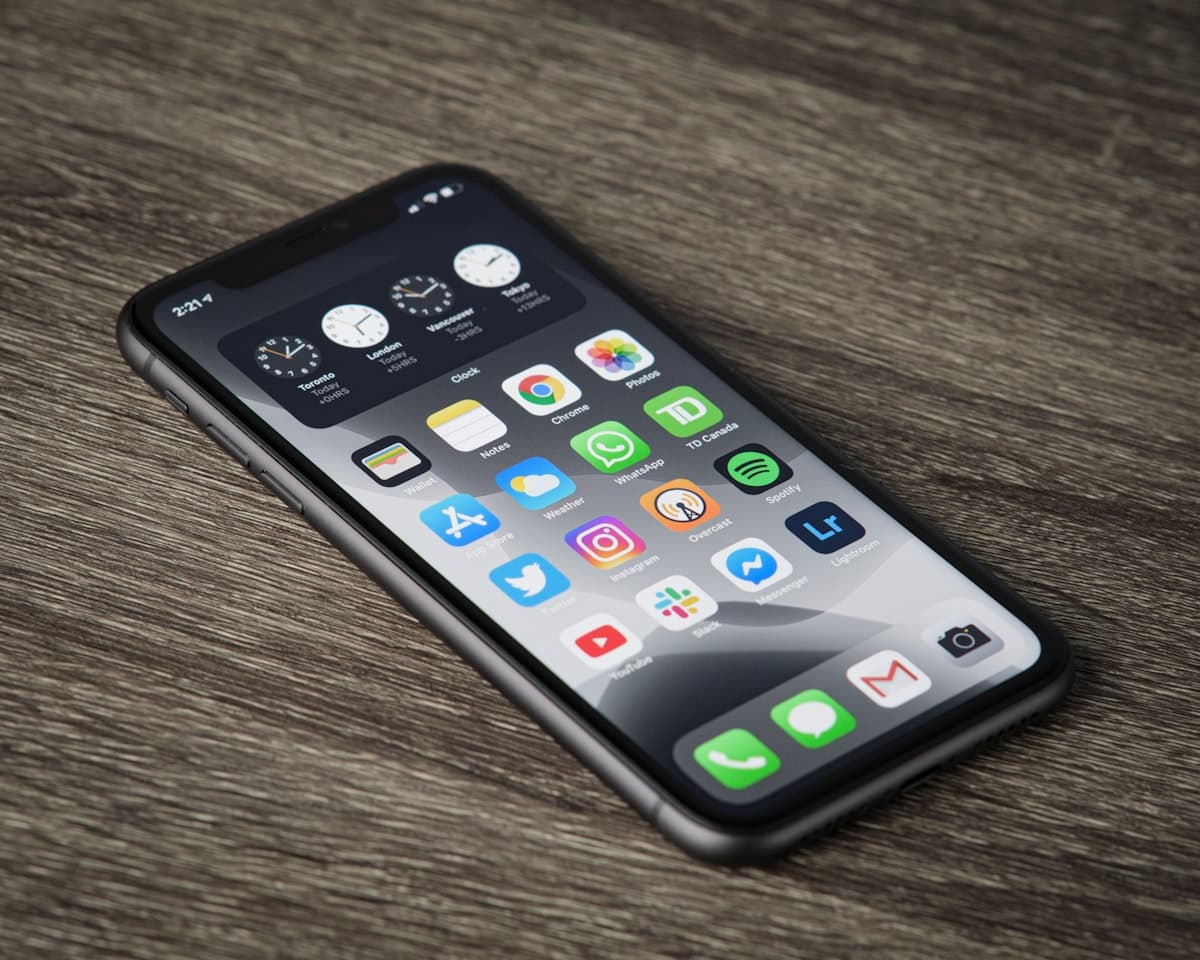
The Viral Double-Edged Sword
TikTok is unique among ecommerce channels. No other platform exists where a single 15-second video can generate 5,000 orders in an hour for a brand that usually processes 50 per day. TikTok Shop's global GMV exceeded $20 billion in 2024, and the platform is still accelerating. For a marketing director, this is the holy grail of organic reach. For an operations director, it is a stress test that exposes every weakness in your fulfillment infrastructure.
The numbers behind a viral spike are staggering. A typical viral event on TikTok Shop means 50 to 100 times your normal order volume, concentrated into a 1-2 hour window. A brand doing 100 orders per day can suddenly receive 5,000-10,000 orders before lunch. Your warehouse staff, your inventory counts, your carrier pickup schedules, your customer service team -- none of them are built for this kind of instantaneous demand.
Here is why "going viral" destroys unprepared brands. First, you oversell because your inventory sync cannot keep pace with the velocity of incoming orders. Second, you miss your fulfillment SLAs because your warehouse cannot physically pick, pack, and ship that volume in 3 business days. Third, TikTok penalizes you with reduced visibility or outright suspension. The result: your best marketing day becomes your worst operations day. Your shop score tanks. Your organic reach dies. And you spend the next 30 days digging out of penalty points instead of capitalizing on momentum.
The operations paradox of social commerce is this: the more successful your content is, the more likely you are to fail operationally. This guide is about breaking that paradox. You will learn how to build the operational infrastructure that lets you ride viral waves without drowning in them.
Understanding the Rules of Engagement: TikTok Shop SLAs
TikTok Shop puts the customer experience above all else. Their Service Level Agreements are non-negotiable, algorithm-enforced, and more punishing than most sellers realize. Before you optimize for growth, you must understand the rules that govern your survival on the platform.
Late Dispatch Rate (LDR) Must Stay Below 4%
TikTok requires you to dispatch every order -- meaning hand it over to the carrier with a valid scan -- within 3 business days from order placement. Your Late Dispatch Rate measures the percentage of orders that miss this window. It must stay below 4%.
The 3-business-day clock starts the moment the customer completes payment. Weekends and public holidays do not count, but this is still a tight window when you factor in order processing time, pick and pack, and carrier pickup schedules. If your carrier only picks up once daily at 3 PM and an order comes in at 4 PM, you have already lost a day.
The consequences escalate in tiers:
- Warning Level (LDR 4-6%): You receive a warning notification. No immediate traffic impact, but you are on TikTok's radar. You have a 7-day window to bring your rate back under 4%.
- Traffic Reduction (LDR 6-10%): TikTok reduces your shop's visibility in the For You Page algorithm. Your products appear less frequently in search results and recommendations. Sales drop even as your content performance stays the same.
- Suspension (LDR above 10% or repeated violations): Your shop is suspended. You cannot process new orders. Existing orders must still be fulfilled. Reinstatement requires a formal appeal and a corrective action plan.
Recovery after a suspension is slow. Even after reinstatement, your algorithmic visibility does not immediately return to pre-violation levels. TikTok treats previously-suspended shops with reduced trust for 30-90 days. This means a single bad week can cost you months of growth.
Valid Tracking Rate (VTR) Must Exceed 95%
You cannot just mark an order as "Shipped" and upload a tracking number later. TikTok requires that the tracking number you provide is real, valid, and scannable by the carrier within 24 hours of upload. Your Valid Tracking Rate must stay above 95%.
What counts as "valid"? The carrier must register an acceptance scan on the tracking number within 24 hours of you uploading it to TikTok. If you upload a tracking number at 2 PM on Monday and the carrier does not scan it until Wednesday, that order counts as an invalid tracking entry.
Common VTR failures include:
- Pre-generating tracking labels: You print labels in advance and upload the numbers before the carrier has physically picked up the packages. The carrier does not scan them for 48 hours. Every one of those orders fails VTR.
- Invalid tracking formats: Typos in tracking numbers, using the wrong carrier code, or uploading tracking from a carrier not recognized by TikTok.
- Batch uploads without validation: You upload 500 tracking numbers at once via CSV, and 30 of them have formatting errors. Your VTR drops by 6%.
To ensure compliance, implement automated tracking validation before upload. Your OMS should verify that each tracking number matches the expected format for the selected carrier, and your upload should be timed to coincide with (or shortly after) the carrier pickup, not before it.
Auto-Cancellation: The 7-Day Death Penalty
If an order has not been shipped within 7 business days, TikTok automatically cancels it and issues a full refund to the customer. You do not get a say in this. The system executes it without warning.
The financial impact is severe. You lose the revenue from the sale. If you had already picked and packed the order (or even shipped it late), you also lose the product -- it is in transit to a customer who has already been refunded. Getting it back requires a return process that costs you even more.
This metric alone makes TikTok more punishing than Amazon for slow fulfillment. Amazon's late shipment rate threshold is more forgiving, and Amazon does not auto-cancel orders. TikTok does. If you are a brand accustomed to the relatively gentle SLAs of Shopify (where the customer decides when to complain) or even Amazon (where you have more buffer), TikTok's 7-day auto-cancel is a rude awakening.
Every auto-cancelled order also counts against your cancellation rate metric, compounding the damage to your overall shop score.
Customer Satisfaction Rate (CSR) Requirements
Beyond shipping metrics, TikTok monitors how you handle customer interactions. Your Customer Satisfaction Rate encompasses several sub-metrics:
- Response Time: You must respond to customer messages within 24-48 hours. During viral spikes, your inbox can flood with hundreds of "where is my order" messages. Failing to respond tanks your CSR.
- Resolution Rate: It is not enough to respond -- you must resolve issues. TikTok tracks whether customer inquiries reach a satisfactory conclusion. A response of "we are looking into it" without follow-up counts against you.
- Negative Feedback Thresholds: Too many negative reviews, "item not as described" complaints, or dispute escalations reduce your shop visibility. TikTok weighs recent feedback more heavily than historical feedback, so a bad week hits harder than a bad month six months ago.
CSR is particularly challenging during viral events because your customer service team scales linearly while your order volume scales exponentially. You need templated responses, automated order status updates, and proactive communication to survive.
The TikTok Shop Score System
All of these individual metrics -- LDR, VTR, CSR, cancellation rate, return rate, and response time -- feed into a composite Shop Score. Think of it as your credit score on TikTok.
Your Shop Score determines:
- Algorithmic Visibility: Higher-scoring shops get more exposure in the For You Page, search results, and the TikTok Shop tab. This is the single biggest lever for organic growth.
- Badge Eligibility: Top-scoring shops earn trust badges ("Top Rated Seller," "Fast Shipper") that increase conversion rates by 15-25%.
- Commission Rates: TikTok offers lower commission rates to sellers with consistently high scores. The difference can be 2-3 percentage points, which at scale represents significant margin.
- Feature Access: New platform features (flash sales, exclusive promotions, live shopping priority) roll out to high-scoring shops first.
You can monitor your score in the TikTok Seller Center dashboard under "Shop Performance." Check it daily. Set up alerts for any metric that approaches a threshold. By the time you get a warning notification from TikTok, you are already in trouble.
Operational Strategies for Surviving Viral Volume
Now that you understand the rules, here is how you build operations that can withstand a 100x spike without breaking them.
Strategy 1: The Inventory Buffer Defense
This is the single most important operational decision you will make for TikTok Shop. Never expose your full warehouse inventory to TikTok. Use an allocated stock model where you dedicate a specific portion of your inventory to each channel.
Here is the math. You have 1,000 units of a product in your warehouse. You sell on Shopify, Amazon, and TikTok Shop. A naive approach syncs all 1,000 units to every channel. When a viral video hits and TikTok sells 800 units in 30 minutes, your real-time sync cannot keep up. By the time your inventory updates propagate to TikTok, you have sold 1,200 units -- 200 more than you have. Those 200 orders become cancellations. Your cancellation rate spikes. TikTok suspends your shop.
The better approach: allocate 500 units to TikTok, 300 to Amazon, and 200 to Shopify. If TikTok goes viral, you sell out at 500. "Sold Out" is a feature, not a bug. It creates scarcity and urgency. The creator whose video went viral sees "Sold Out" and makes a follow-up video about it, driving even more demand for your restock.
Why "selling out" on TikTok is better than overselling by 200 units: selling out means zero cancellations, maintained shop score, creator content about scarcity, and a controlled restock event. Overselling means 200+ cancellations, potential suspension, angry customers, negative reviews, and a creator who looks bad for promoting a product that disappoints their followers.
Implement this through a virtual warehouse concept. Create a TikTok-specific inventory location in your OMS. This is not a physical warehouse -- it is a logical allocation within your existing warehouse. Your TikTok channel pulls available quantity from this virtual location, not from your master inventory pool.
Set up replenishment triggers: when TikTok allocation drops below a threshold (say 20% of initial allocation), automatically refill from the master pool, but only if the master pool has sufficient stock to maintain allocations for other channels. This gives you a controlled way to feed inventory to a hot channel without starving your other sales channels.
Strategy 2: SLA-Aware Priority Pick Queues
Your Warehouse Management System must understand that not all orders are created equal. Each channel has different SLA requirements, and your pick queue must reflect that.
The wrong approach: First In, First Out (FIFO) across all channels. A Shopify order placed at 9 AM gets picked before a TikTok order placed at 10 AM, even though the Shopify customer expects delivery in 5-7 days and TikTok will auto-cancel in 7 business days.
The right approach: SLA-weighted priority queuing. TikTok orders jump to the front of the queue because their dispatch deadline is tighter. Amazon Prime orders sit just behind. Standard Shopify orders fill in around them.
Implementation requires three things:
- Channel tagging at import: Every order that enters your OMS must be tagged with its source channel. TikTok, Amazon, Shopify, Walmart -- each carries a different SLA profile.
- SLA deadline calculation: Your system should calculate the actual dispatch deadline for each order based on the channel SLA and the order timestamp. A TikTok order placed on Monday at 2 PM has a dispatch deadline of Thursday at 11:59 PM (3 business days).
- Dynamic queue sorting: The pick queue sorts by SLA deadline, not by order creation time. Orders closest to their deadline get picked first. This is deadline-driven scheduling, not FIFO.
Build in buffer time. Do not aim to dispatch TikTok orders on day 3 of 3. Aim for day 1. Give yourself a 2-day margin for errors, carrier delays, or unexpected volume. If you consistently dispatch TikTok orders within 1 business day, a bad day where everything takes 3 days still keeps you within SLA.
Strategy 3: Creator and Affiliate Management at Scale
TikTok Shop's affiliate program is a strong growth lever, but it creates operational complexity that most brands underestimate. Managing 10 creators is manageable. Managing 100+ requires systems.
Sample tracking: Every sample you send to a creator should be logged as a $0 order in your OMS. This gives you a paper trail of who received what, when, and in what quantity. Track the cost of goods for samples as a marketing expense. When a creator generates $50,000 in sales from a $30 sample, the ROI is obvious. When a creator generates $0 from $30 in samples, that is equally important to know.
The 30-day posting window: Implement a firm policy -- if a creator has not posted content featuring your product within 30 days of receiving samples, pause future shipments. This is not punitive. It is resource management. Your sample inventory is finite, and sending it to inactive creators is waste. Automate this check: flag creators whose last sample shipment was more than 30 days ago with no associated content or sales.
Commission tiers based on performance: Not all creators are equal. Structure your affiliate commissions in tiers:
- Tier 1 (New creators): Standard commission rate (10-15%). Prove yourself first.
- Tier 2 (Proven performers, $1K-$10K monthly sales): Enhanced commission (15-20%) plus priority sample access.
- Tier 3 (Top performers, $10K+ monthly sales): Premium commission (20-25%), exclusive product launches, and dedicated account management.
Content calendar coordination: This is where operations and marketing must collaborate. If a top-tier creator is planning to post about your product on Tuesday, your ops team needs to know. That post could generate a volume spike, and you need inventory positioned, staff scheduled, and carrier pickups arranged in advance. Build a shared calendar where marketing logs upcoming creator posts and ops prepares accordingly.
Unique attribution codes: Use your OMS to generate unique discount codes or tracking links for each creator. This serves two purposes: it gives the creator a tangible offer for their audience ("use code SARAH15 for 15% off"), and it gives you clean attribution data. You know exactly how many orders each creator drives, what the average order value is, and what the return rate is per creator.
Strategy 4: Pre-Sale Demand Forecasting from Video Metrics
TikTok gives you a unique advantage that no other ecommerce channel offers: you can see demand building in real time through video metrics. A product video that crosses 100,000 views is a leading indicator that orders are coming. A video at 500,000 views is a siren.
Build a monitoring system around these thresholds:
- 100K views: Alert level. Verify inventory levels, confirm carrier pickup schedule, brief warehouse team on potential spike.
- 500K views: Preparation level. Pre-position inventory in TikTok allocation, schedule additional carrier pickups, put customer service team on standby.
- 1M+ views: Execution level. All hands on deck. Extended warehouse hours if needed. Additional carrier capacity confirmed. Customer service templates ready for "where is my order" inquiries.
Implement velocity-based auto-throttling. If your sales velocity exceeds a defined threshold -- say 50 units per minute when your normal rate is 5 units per hour -- your system should automatically increase safety buffers. Reduce the available quantity shown on TikTok by 20-30% to create breathing room. This prevents the overselling scenario while still capturing the majority of demand.
Establish a "viral alert" communication protocol between your marketing and operations teams. When marketing sees a video gaining traction, they send a structured alert to ops with: the video URL, current view count, estimated order volume based on historical conversion rates, and the product SKUs featured. Ops responds with current inventory position and readiness status. This 5-minute communication can save you from a week-long operational crisis.
Strategy 5: Automated Order Routing for TikTok
Manual order routing does not survive a viral spike. When 2,000 orders hit your system in an hour, you need automated routing rules that execute without human intervention.
Your routing logic should consider three factors:
- Inventory availability: Route to the warehouse that has the product in stock. If multiple warehouses have stock, route to the one with the highest quantity to minimize split shipments later.
- Carrier pickup timing: Route to the warehouse with the next available carrier pickup. If Warehouse A's last pickup was at 3 PM and it is now 4 PM, but Warehouse B has a 5 PM pickup, route to Warehouse B.
- Geographic proximity: All else being equal, route to the warehouse closest to the customer's shipping address. Faster delivery improves customer satisfaction and earns you the "Fast Shipper" badge on TikTok.
TikTok orders should be segregated from standard channel orders in the pick queue. This is not just about priority -- it is about workflow efficiency. Your warehouse team should be able to batch-pick TikTok orders separately, using TikTok-specific packing materials and inserts (more on this below), without mixing them with Amazon or Shopify orders that have different packaging requirements.
Build these routing rules into your workflow automation system so they execute automatically the moment a TikTok order is imported.
TikTok Shop Fulfillment Deep Dive
Fulfilled by TikTok (FBT) vs Self-Fulfilled
TikTok offers its own fulfillment service, similar to Amazon's FBA. The choice between FBT and self-fulfillment is one of the most consequential decisions you will make on the platform.
FBT advantages:
- Trust badges: FBT products display a "Fulfilled by TikTok" badge that increases buyer confidence and conversion rates.
- Faster delivery promise: FBT orders ship from TikTok's warehouse network, often delivering in 2-3 days.
- Reduced operational burden: TikTok handles pick, pack, ship, and returns. You focus on marketing and product.
- Algorithmic boost: FBT products receive preferential placement in search and recommendations, similar to Amazon's Buy Box advantage for FBA sellers.
FBT disadvantages:
- Loss of margin control: FBT fees eat into your margin. Fulfillment fees vary by product size and weight, but they are not cheap.
- Inventory locked in TikTok warehouses: Units sent to FBT are dedicated to TikTok. You cannot use them to fulfill Shopify or Amazon orders. This reduces your overall inventory flexibility.
- Less packaging control: You lose the ability to create a custom unboxing experience. FBT ships in standard TikTok packaging.
- Removal fees: If you need to pull inventory out of FBT (slow-moving product, seasonal items), you pay removal fees.
Self-fulfilled advantages:
- Full control over the fulfillment process, packaging, and customer experience.
- Ability to optimize costs by negotiating directly with carriers.
- Inventory stays flexible -- the same units can serve any channel.
- Custom inserts, branded packaging, and upsell materials included in every shipment.
Self-fulfilled disadvantages:
- YOU own the SLA risk. Every late dispatch, every invalid tracking number, every auto-cancellation is on you.
- You need reliable operational infrastructure: warehouse staff, carrier relationships, OMS integration, quality control processes.
- No algorithmic boost or trust badge advantage.
The hybrid approach: Many successful TikTok Shop sellers use a combination. Send your top 20 SKUs -- the proven bestsellers with predictable demand -- to FBT. Self-fulfill your long-tail products, new launches (where you want packaging control for unboxing content), and high-margin items where you want to preserve every percentage point of profit. This balances the algorithmic benefits of FBT with the flexibility and control of self-fulfillment.
Shipping and Label Requirements
TikTok has specific requirements for shipping labels and carrier integration. Your labels must include TikTok's order reference number, the customer shipping address (pulled from TikTok's API), and a scannable barcode or QR code for tracking.
Tracking number upload timing is critical for your VTR. Upload the tracking number at the time of dispatch -- meaning when the carrier physically has the package and will scan it within hours. Uploading tracking numbers at label generation time (before carrier pickup) is the most common VTR violation.
For high-volume days, you need bulk label generation capabilities. If you are processing 1,000+ TikTok orders, you cannot generate labels one at a time. Your OMS should batch-generate labels for all orders in a single action, with automatic carrier selection based on your routing rules.
Packaging for Social Commerce
Here is something unique about TikTok that does not apply to Amazon or standard Shopify orders: your customers are likely to film themselves opening your package. Unboxing videos are a content genre unto themselves, and TikTok Shop buyers are disproportionately likely to create them.
This means your packaging is marketing material. Invest in it accordingly:
- Branded packaging: Custom boxes, tissue paper, stickers. The unboxing should feel premium, even for a $20 product.
- Thank you cards: A handwritten-style thank you card with the customer's first name (mail-merged, not actually handwritten) creates a personal touch that films well.
- QR codes: Include a QR code that links to a review page or a loyalty program signup. If someone is already creating content about your product, make it easy for them to leave a review.
- Upsell inserts: Drive traffic to your DTC store with a discount code on an insert card. "Love this product? Visit our website for 15% off your next order." You keep 100% of DTC margins versus paying TikTok's commission.
Do not underestimate the compounding effect: a customer who films a great unboxing and posts it becomes an unpaid creator who drives more orders, who also film unboxings, who also post. The packaging is the catalyst for this flywheel.
Same-Day and Next-Day Expectations
Social commerce consumers have faster delivery expectations than traditional ecommerce shoppers. The impulse nature of TikTok purchases ("I saw it in a video and bought it 30 seconds later") creates an expectation of near-instant gratification. Every day that passes between purchase and delivery increases the likelihood of a return or negative review.
TikTok offers an "Express Delivery" badge for sellers who consistently deliver within 2-3 days. Earning this badge boosts your conversion rate and visibility. To qualify, you need a track record of fast dispatch (within 24 hours) paired with an express carrier option.
Carrier selection matters enormously. For last-mile speed, consider regional carriers in addition to national carriers like UPS, FedEx, and USPS. Regional carriers often offer same-day or next-day delivery within their coverage area at competitive rates. If 40% of your TikTok orders ship to California and you warehouse in California, a regional carrier might deliver next-day while a national carrier takes 3-4 days.
TikTok Shop Returns and Refunds
Understanding TikTok's Return Policy Framework
TikTok enforces buyer-friendly return policies that you must comply with. As a seller, you are required to accept returns within TikTok's mandatory return window, which varies by category but typically ranges from 15 to 30 days from delivery.
Seller obligations include:
- Providing a prepaid return label or return shipping instructions within 48 hours of a return request.
- Processing refunds within a specified timeframe after receiving the returned item (typically 3-5 business days).
- Maintaining a return rate below category-specific thresholds to avoid additional scrutiny.
The dispute resolution process on TikTok favors the buyer in most cases. If a buyer claims "item not as described" and provides photo or video evidence, TikTok will almost always side with the buyer. Your seller score influences dispute outcomes marginally -- higher-scoring sellers get slightly more benefit of the doubt -- but do not count on winning disputes regularly.
Return Rate Benchmarks for Social Commerce
Social commerce returns run 15-30% higher than traditional ecommerce. This is not a flaw in your product -- it is a characteristic of the purchase behavior. TikTok shoppers are impulse buyers. They saw a 30-second video, felt the urge, and purchased. When the product arrives 4 days later, the impulse has faded, and they evaluate the product more critically.
Category-specific return rate benchmarks for TikTok Shop:
- Apparel and fashion: 30-40% return rate. Sizing issues, color differences between video and reality, and "it looked different on the creator" drive returns.
- Electronics and gadgets: 10-15% return rate. Lower impulse return, but higher "does not work as shown" complaints.
- Beauty and skincare: 15-20% return rate. Allergic reactions, texture/scent differences, and "did not see results" are common reasons.
- Home goods and kitchen: 15-25% return rate. Size expectations (smaller than expected in person) and quality perception mismatches.
Factor these return rates into your unit economics. If your margin on a $30 product is $15, and 25% of orders are returned with $5 in return shipping costs per return, your effective margin drops to $10.50 per gross unit sold. Price accordingly.
Automating Return Processing
Manual return processing is a bottleneck that gets worse with scale. Integrate your return workflow with your OMS:
- RMA generation: When a return request is approved on TikTok, your OMS should automatically generate a Return Merchandise Authorization and notify your warehouse to expect the incoming item.
- Restocking logic: Not every returned item goes back to sellable inventory. Build an inspection step into your workflow. Grade returned items: A-grade (resellable as new), B-grade (resellable as open-box at discount), C-grade (damaged, write off or liquidate). Only A-grade items should flow back into your TikTok allocation.
- Refund timing: Process refunds as quickly as possible after receiving and inspecting the return. Faster refunds improve your CSR score and reduce dispute escalations. Aim for same-day refund processing on the day you receive the return.
Reducing Returns Through Better Listings
The best return is the one that never happens. You can significantly reduce return rates through better product listings and content:
- Video content quality: Show the product in actual use, not just glamour shots. Include close-ups of material texture, demonstrate actual sizing on real people (not just flat lays), and show the product from multiple angles. The more accurately the video represents the real product, the fewer "not as expected" returns.
- Size guides and measurement charts: For apparel, include detailed measurement charts in your listing. Better yet, have your creators mention sizing in their content ("I am 5'6, 130 lbs, wearing a size Medium").
- Expectation management: Honest descriptions reduce disappointment. If a product is made of polyester, say so. If the color looks slightly different in person, mention it. Under-promise and over-deliver beats over-promise and refund.
Analytics and Optimization
TikTok Shop-Specific KPIs to Track
Standard ecommerce metrics are not sufficient for TikTok Shop. You need channel-specific KPIs that capture the unique dynamics of social commerce:
- Conversion rate from video to purchase: Not overall conversion rate, but per-video. Which content formats drive the most sales? Product demos? Before-and-after? Creator testimonials?
- GMV per creator/affiliate: Track gross merchandise value generated by each creator. This determines commission tier placement and sample allocation priority.
- Return rate by product and creator: If a specific creator drives a 40% return rate while others drive 15%, the issue might be how they represent the product. Address it with content guidance, not by ending the partnership.
- Fulfillment SLA compliance rate: Track this daily, not weekly. A weekly review means you do not catch problems until it is too late. Monitor LDR and VTR in real time.
- Cost per order including TikTok commission + fulfillment: Your true cost per order on TikTok includes: product COGS + TikTok commission (typically 5-8%) + fulfillment cost + return cost (amortized across all orders). Compare this to your Shopify and Amazon cost per order to ensure TikTok is actually profitable.
Identifying Best Products for TikTok
Not every product in your catalog belongs on TikTok Shop. The platform rewards specific product characteristics:
- High-margin items: TikTok commissions plus higher return rates mean you need products with enough margin to absorb these costs. If your margin is below 40%, TikTok may not be profitable for that SKU.
- Visually demonstrable products: Items that lend themselves to video content perform best. Before-and-after transformations, satisfying processes (cleaning products, organizing tools), and visually striking results (beauty, fashion) outperform commodities that are hard to differentiate on camera.
- The $15-$60 sweet spot: This is the impulse purchase range on TikTok. Below $15, your margins get crushed by fulfillment costs. Above $60, conversion rates drop because the purchase becomes a considered decision rather than an impulse.
- Low return potential: Products that meet or exceed expectations consistently (non-sized items, products that look the same in person as on video) reduce your return burden.
Scaling from $10K to $100K per Month
Scaling TikTok Shop revenue by 10x requires more than just more creators and more content. It requires operational capacity planning:
- Fulfillment staffing: At $10K/month, you might process 300-500 orders. At $100K/month, you are processing 3,000-5,000+ orders. Your warehouse team needs to scale accordingly, with trained staff and documented processes, not just more bodies.
- Warehouse space: More inventory for TikTok allocation means more storage space. Plan for 3-4x your current TikTok inventory if you are targeting 10x revenue growth.
- Inventory investment: More revenue requires more working capital tied up in inventory. Forecast your cash conversion cycle for TikTok (purchase inventory, wait for it to sell, wait for TikTok to settle payment, minus returns) and ensure you have the capital to support growth.
Creator network expansion: Going from 10 to 100+ affiliates is not a linear process. You need a creator recruitment pipeline, an onboarding process (sample kits, brand guidelines, content briefs), and a performance management system. This is a dedicated role, not something your marketing intern handles on the side.
Automation as the scaling lever: At 100+ orders per day, manual processes start breaking. At 500+ orders per day, they are impossible. You cannot manually import orders from TikTok's Seller Center, manually upload tracking numbers, manually calculate SLA deadlines, and manually route orders to the right warehouse. The brands that scale past $100K/month on TikTok are the ones that automated these workflows at $20K/month, before they needed to.
When to go hybrid (FBT + self-fulfillment): If you are self-fulfilling everything and approaching $50K/month, evaluate FBT for your top 5-10 SKUs. Let FBT handle the predictable, high-volume bestsellers while you self-fulfill new products, limited editions, and long-tail SKUs where you want packaging control and margin preservation.
Integrating TikTok Shop with Your OMS
Why Native Integration Matters
Running TikTok Shop through manual CSV exports and uploads is manageable at 10 orders per day. It is a disaster at 100. And it is impossible at 1,000. Native OMS integration is not a luxury -- it is a prerequisite for TikTok Shop at scale.
What native integration gives you:
- Real-time order import: Orders flow from TikTok into your OMS within seconds of payment, not in hourly or daily batch downloads. This matters because your SLA clock starts at payment, and every minute of delay in getting the order to your warehouse is a minute lost.
- Automatic inventory sync: When you sell a unit on any channel, the available quantity updates across all channels in real time. This prevents the cross-channel overselling that is the number one killer of TikTok Shop accounts.
- Tracking number auto-upload: When your warehouse scans a package as dispatched, the tracking number is automatically uploaded to TikTok. No manual entry, no CSV upload, no delay. This is how you maintain a 99%+ VTR without thinking about it.
- SLA tracking dashboard: A real-time view of your TikTok SLA compliance -- how many orders are approaching their dispatch deadline, what your current LDR and VTR look like, and which orders need immediate attention.
How Nventory Handles TikTok Shop
Nventory provides native TikTok Shop integration built specifically for the challenges described in this guide.
- Per-channel inventory allocation: Set up TikTok-specific inventory pools with buffer management and automatic replenishment rules. Your TikTok allocation is managed as a virtual warehouse within your overall inventory structure.
- SLA-aware order routing: TikTok orders are automatically prioritized in your pick queue based on their dispatch deadline. Priority pick queues ensure your warehouse team processes TikTok orders before their SLA window closes.
- Real-time inventory sync: Inventory updates propagate across TikTok, Shopify, Amazon, and all connected channels within seconds. Velocity-based throttling automatically reduces available quantity during demand spikes.
- Automated tracking upload: Tracking numbers are uploaded to TikTok the moment your carrier scans the package, ensuring VTR compliance without manual intervention.
- Compliance monitoring: Real-time dashboards show your LDR, VTR, cancellation rate, and overall shop score. Alerts fire when any metric approaches a warning threshold.
- Comprehensive inventory management: Manage all your channel allocations, safety buffers, and replenishment rules from a single interface.
Conclusion: Social Commerce Is the Future -- Build the Ops for It
TikTok Shop is a gold rush, but operational excellence is what separates the winners from the suspended. The platform rewards brands that can fulfill fast, track accurately, and scale without breaking. It punishes brands that treat operations as an afterthought.
The playbook is clear: respect the SLAs by understanding every metric and its threshold. Build inventory buffers by using per-channel allocation instead of naive full-stock syncing. Automate fulfillment by integrating your OMS natively with TikTok Shop. And track everything -- your SLA compliance, your creator ROI, your return rates by product and affiliate, your true cost per order.
Social commerce is not a trend -- it is the future of product discovery and purchase. TikTok Shop is the leading edge, but Instagram Shop, YouTube Shopping, and other platforms are following the same model. The brands that build this operational infrastructure now have a compounding advantage. Every process you automate, every SLA you consistently meet, every viral spike you survive cleanly -- these compound into a higher shop score, more visibility, more sales, and more creators wanting to work with you.
Start with the fundamentals. Get your SLAs locked down. Build your inventory buffers. Automate your order routing and tracking uploads. Then scale your creator network and optimize from a position of operational strength, not operational chaos.
For deeper dives into specific topics covered in this guide, read our overselling prevention guide for inventory sync strategies, and our multichannel expansion playbook for managing growth across TikTok, Shopify, Amazon, and other channels simultaneously.
Frequently Asked Questions
TikTok Shop requires a Late Dispatch Rate below 4 percent with orders shipped within 3 business days, a Valid Tracking Rate above 95 percent with real scannable tracking numbers, and auto-cancels orders not shipped within 7 business days. Violations result in penalty points and potential shop suspension.
Use allocated inventory instead of syncing your full warehouse stock to TikTok. If you have 1,000 units, sync 500. Implement velocity-based buffer throttling that automatically increases safety buffers when sales velocity exceeds a threshold. Pair this with real-time inventory sync across all channels.
Fulfilled by TikTok simplifies logistics and earns trust badges, but you lose margin control and inventory flexibility. Self-fulfillment gives you full control but requires meeting strict SLAs yourself. Many brands use a hybrid approach with FBT for bestsellers and self-fulfillment for long-tail products.
Use a centralized order management system with per-channel inventory allocation and SLA-aware order routing. TikTok orders should be prioritized in your pick queue due to their shorter dispatch windows. Real-time sync prevents cross-channel overselling during viral spikes.
Related Articles
View all
Dropshipping Inventory Management: How to Automate Stock Sync with Suppliers
Stop overselling dropshipped products. Automate supplier inventory sync, manage multiple suppliers, and build reliable dropshipping workflows.
Walmart Marketplace Inventory Management: The Seller's Complete Guide (2026)
Most sellers fail on Walmart because they apply Amazon logic. Learn the inventory, listing, and fulfillment strategies that actually work on Walmart Marketplace.
Scaling from Shopify to Marketplaces: A Playbook
Expanding to Amazon, eBay, and Walmart requires more than just listing products. Discover the operational playbook for seamless multichannel expansion.