Cross-Docking for Ecommerce: Skip Storage and Ship Direct
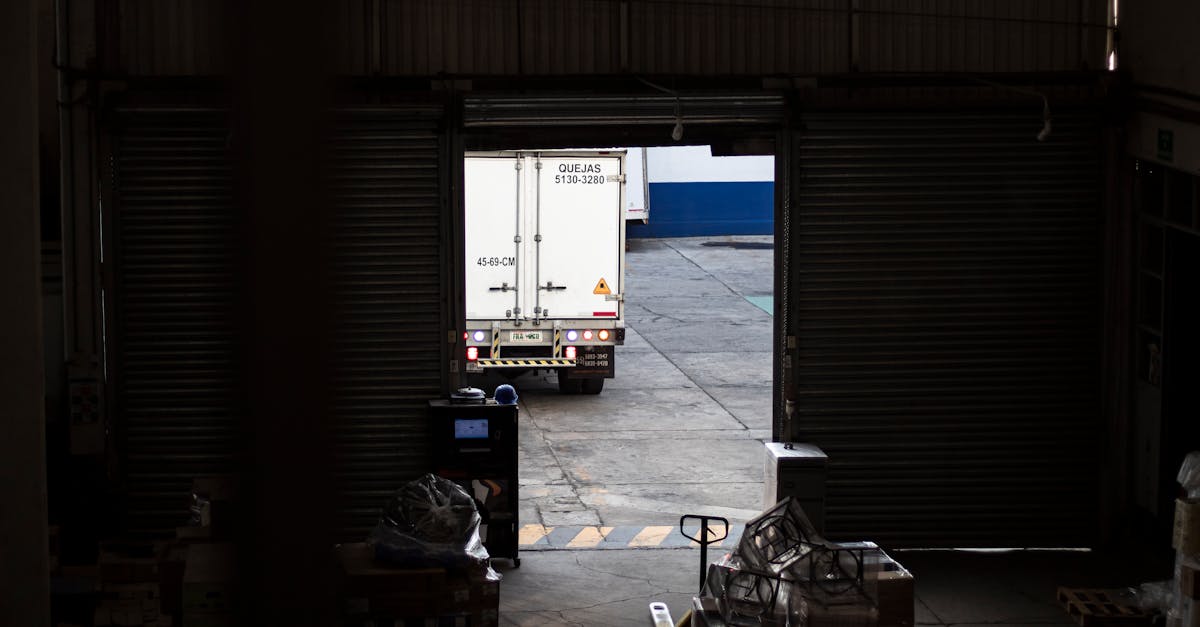
Most ecommerce warehouses follow the same cycle: receive inventory, shelve it, store it for days or weeks, pick it when an order comes in, pack it, and ship it. Every step in that chain costs time and money. Cross-docking removes the storage step entirely. Goods arrive at a facility, get sorted by destination, and leave on outbound trucks within hours.
The concept is not new. Walmart built much of its early supply chain dominance on cross-docking in the 1980s. What has changed is that the model is now accessible to mid-size ecommerce operations, not just retailers with 4,000 stores and dedicated truck fleets. If you move high-velocity inventory and your inbound supply is predictable, cross-docking can cut your warehousing costs by 15 to 30 percent while shaving one to three days off delivery times.
This guide covers how cross-docking works, when it makes sense for ecommerce sellers, and how to implement it without creating a coordination disaster.
How Cross-Docking Actually Works
A cross-dock facility looks different from a standard warehouse. There are no deep storage racks or long aisles of shelving. Instead, the layout is a shallow rectangle with inbound truck bays on one side and outbound bays on the other. Conveyor belts or forklift lanes connect the two sides. The entire floor is designed for throughput, not storage.
The process runs in four stages:
- Inbound trucks arrive and unload pallets or cartons that are pre-labeled by destination or customer order
- Workers or automated systems scan each item and sort it to the correct outbound lane based on delivery region or order assignment
- Sorted goods are consolidated onto outbound pallets or into shipping containers for the next leg of transit
- Outbound trucks depart, typically within 2 to 12 hours of the inbound arrival
The entire dwell time from dock to dock is measured in hours, not days. That speed is the core value proposition. But it comes with a hard requirement: inbound shipments must arrive on time, pre-sorted, and in the right quantities. If a supplier sends the wrong mix or misses a delivery window, the outbound schedule breaks.
"Cross-docking has been a major shift for us in ecommerce fulfillment. Trucks unload, sort, and reload in under 4 hours. No storage needed. Cuts inventory costs by about 30 percent but requires precise timing or it turns into chaos."
- Ecommerce fulfillment manager, r/supplychain
Cross-Docking vs Traditional Warehousing
The choice between cross-docking and traditional warehousing is not binary. Most operations that adopt cross-docking use it for a portion of their inventory while keeping the rest in conventional storage. The decision depends on product characteristics, demand patterns, and supplier reliability.
Here is how the two models compare across the metrics that matter most to ecommerce operations:
| Metric | Traditional Warehousing | Cross-Docking |
|---|---|---|
| Storage duration | Days to weeks | Under 24 hours |
| Handling touches per unit | 4 to 6 (receive, putaway, pick, pack, stage, ship) | 2 to 3 (receive, sort, ship) |
| Storage cost per unit | $0.50 to $2.00 per month | Near zero |
| Labor intensity | Higher (putaway and retrieval crews) | Lower total but higher per-hour intensity |
| Inventory holding risk | Shrinkage, obsolescence, damage over time | Minimal due to short dwell |
| Supplier coordination required | Moderate | Very high |
| Demand predictability needed | Moderate | High |
| Best for | Long-tail SKUs, variable demand | High-velocity SKUs, predictable restock |
The biggest operational difference is in handling touches. Every time a human or machine touches a product, there is a cost and a risk of damage. Traditional warehousing involves 4 to 6 touches per unit. Cross-docking cuts that to 2 or 3. Fewer touches mean lower labor costs, less product damage, and faster throughput.
"One late inbound and your entire outbound schedule falls apart. Cross-docking works great at scale with dedicated carriers, but for mid-size operations you need a real backup plan."
- Logistics operations lead, r/logistics
When Cross-Docking Makes Sense for Ecommerce
Cross-docking is not a universal solution. It works well in specific conditions and fails in others. Before investing in the infrastructure, run your operation through these qualifying criteria.
Good Candidates for Cross-Docking
- Products with high sell-through rates and predictable weekly demand (your top 10 to 20 percent of SKUs by velocity)
- Pre-packaged goods that do not require kitting, bundling, or customization before shipping
- Seasonal inventory during peak windows when you know the demand curve in advance (holiday inventory, back-to-school, flash sale stock)
- Vendor-direct shipments where the supplier can pre-label and pre-sort to your specifications
- Perishable goods where minimizing storage time directly preserves product quality
Poor Candidates for Cross-Docking
- Long-tail SKUs with unpredictable order patterns and low daily volume
- Products that need quality inspection, relabeling, or repackaging before they can ship
- Items sourced from unreliable suppliers with inconsistent delivery windows
- Orders that require assembly or kitting from multiple components stored in different locations
A practical rule of thumb: if a SKU sells more than 20 units per day and your supplier delivers on schedule at least 95 percent of the time, that SKU is a cross-docking candidate. Below those thresholds, traditional warehousing gives you the buffer you need to absorb variability.
The Three Types of Cross-Docking for Ecommerce
Not all cross-docking looks the same. The type you use depends on whether you are consolidating shipments, breaking them down, or both.
1. Pre-Distribution Cross-Docking
Inbound goods arrive already allocated to specific outbound orders or destinations. The supplier has pre-sorted the shipment based on your purchase order or allocation data. The cross-dock facility simply receives, scans, and routes each carton to the correct outbound truck. This is the fastest type because there is no decision-making at the dock. It works best when you have strong EDI integration with your suppliers and can send allocation instructions before the goods ship.
2. Post-Distribution Cross-Docking
Inbound goods arrive in bulk without pre-allocation. The cross-dock facility receives the shipment and then allocates units to outbound orders based on real-time demand signals from your order management system. This type requires more labor and technology at the dock but gives you flexibility to allocate inventory based on the latest order data rather than a forecast made days earlier. It works well for ecommerce sellers who process orders continuously throughout the day.
3. Consolidation Cross-Docking
Multiple smaller inbound shipments from different suppliers are combined into larger outbound loads. For ecommerce, this is useful when you source from several vendors and want to consolidate into full truckloads for regional distribution. It reduces per-unit freight costs on the outbound leg. The tradeoff is that you need all inbound shipments to arrive within the same window, which adds coordination complexity.
"RFID tags and real-time EDI integration are non-negotiable for cross-docking. We reduced dwell time from 8 hours to 45 minutes. Labor savings paid for the tech in year one."
- Supply chain operations director, r/logistics
Setting Up Cross-Docking for Your Operation
Implementing cross-docking requires changes to your facility layout, technology stack, supplier relationships, and order routing rules. Here is the step-by-step framework.
Step 1: Identify Cross-Dock-Eligible SKUs
Pull 90 days of order data and rank your SKUs by daily sell-through rate. Identify the top 10 to 20 percent by velocity. Cross-reference that list against supplier reliability data: on-time delivery rate, order accuracy, and pre-labeling capability. SKUs that meet both the velocity threshold and supplier reliability threshold are your initial cross-dock candidates.
Step 2: Configure Your Facility Layout
If you operate your own warehouse, designate a section of your dock area as the cross-dock zone. It needs inbound staging lanes, a sorting area (manual or conveyor-based), and direct access to outbound truck bays. The key design principle is flow: products should move in a straight line from inbound to outbound with no backtracking.
If you use a 3PL, ask whether they offer cross-dock services at your fulfillment center. Many 3PLs support cross-docking at select locations but do not advertise it actively. You may need to negotiate cross-dock-specific pricing and SLAs as a contract addendum.
Step 3: Build the Technology Layer
The minimum technology requirements for cross-docking are:
- A WMS that supports cross-dock receiving workflows (scan, sort, route) separate from standard put-away workflows
- Barcode or RFID scanning at inbound and outbound docks for real-time tracking
- EDI or API integration with suppliers so inbound shipments carry advance ship notices (ASNs) with carton-level detail
- Real-time order management visibility so the cross-dock team knows which outbound orders are waiting for inbound goods
Step 4: Align Supplier Processes
Cross-docking only works when suppliers ship on time and in the right format. That means sharing your inbound window requirements, labeling standards, and sort-by instructions with every supplier in the cross-dock program. Expect to spend 4 to 8 weeks onboarding each supplier to the new process. Build compliance metrics into your supplier scorecards and review them monthly.
Step 5: Update Your Order Routing Logic
Your order management system needs to know which SKUs are cross-dock-eligible and route orders accordingly. When a customer orders a cross-dock SKU, the system should allocate it against incoming inventory rather than warehouse stock. This requires tight integration between your purchasing, receiving, and order management systems. For a deeper look at routing architecture, see the split shipment reduction playbook.
Common Pitfalls and How to Avoid Them
Cross-docking fails more often from operational missteps than from strategic miscalculation. These are the patterns that cause the most damage.
Pitfall 1: Overestimating Supplier Reliability
The single biggest cause of cross-docking failure is inbound shipments arriving late, short, or mislabeled. If your supplier on-time rate is below 95 percent, cross-docking will generate more problems than it solves. Build a 90-day reliability baseline before adding any supplier to the cross-dock program. Track on-time delivery, carton accuracy, and labeling compliance separately.
Pitfall 2: No Fallback Plan
When a cross-dock inbound shipment is delayed, every outbound order tied to that shipment stalls. You need a fallback path: either a small safety buffer of cross-dock-eligible SKUs in traditional storage, or the ability to reroute orders to another fulfillment node that has the inventory. Without a fallback, a single late truck creates a cascade of delayed orders and missed SLAs. Your multi-warehouse fulfillment strategy should account for this scenario.
Pitfall 3: Trying to Cross-Dock Too Many SKUs
The temptation is to expand the cross-dock program to more and more SKUs once you see the initial savings. Resist it. Every additional SKU increases the coordination load. The sweet spot for most ecommerce operations is 10 to 20 percent of total SKUs by count, representing 40 to 60 percent of total units shipped. Go beyond that and you start cross-docking slow-moving products that do not have the demand velocity to justify the overhead.
Pitfall 4: Weak Inbound Scheduling
Cross-docking requires tight dock scheduling. If three inbound trucks arrive at the same time and you only have two inbound bays, the third truck sits idle and its goods miss the outbound window. Use appointment-based dock scheduling and stagger inbound arrivals to match your sorting capacity. A common scheduling target is one inbound truck per 90 minutes per dock bay.
"Cross-docking myths busted: it is not zero inventory. You still need a buffer for imbalances. Our hub does 500 pallets a day with 2-hour turns. Software makes it viable, but you need slack built in or one disruption wrecks the whole day."
- Distribution center manager, r/supplychain
Measuring Cross-Docking Performance
Track these metrics weekly to know whether your cross-docking program is delivering value or drifting toward chaos.
| Metric | Target | What It Tells You |
|---|---|---|
| Average dwell time | Under 6 hours | How long goods sit at the dock before outbound dispatch |
| Dock-to-dock cycle time | Under 4 hours | Total time from inbound unload to outbound truck departure |
| Inbound on-time rate | 95 percent or higher | Whether suppliers are hitting their delivery windows |
| Sort accuracy | 99.5 percent or higher | Percentage of units routed to the correct outbound lane |
| Outbound fill rate | 98 percent or higher | Percentage of outbound orders fully filled from cross-dock inventory |
| Fallback rate | Under 5 percent | Percentage of orders that had to fall back to traditional storage due to cross-dock failures |
If your average dwell time creeps above 12 hours consistently, you are not cross-docking. You are warehousing with extra steps. Investigate whether the root cause is inbound timing, sorting bottlenecks, or outbound truck scheduling.
If your fallback rate exceeds 10 percent, your cross-dock SKU selection or supplier reliability needs attention. A high fallback rate means you are absorbing the coordination cost of cross-docking without getting the storage savings.
Frequently Asked Questions
What is cross-docking in ecommerce?
Cross-docking is a logistics strategy where inbound goods are unloaded at a facility, sorted by destination or customer order, and loaded onto outbound trucks within hours. Products spend little to no time in storage. For ecommerce, this means inventory moves from supplier to customer faster because it bypasses the traditional put-away, shelving, and picking steps of a conventional warehouse.
How much does cross-docking save compared to traditional warehousing?
Cross-docking typically reduces warehousing costs by 15 to 30 percent. The savings come from eliminating storage fees, reducing labor for put-away and retrieval, and cutting inventory holding costs. Handling time drops from days to hours. The exact savings depend on your product mix, order volume, and how predictable your inbound shipments are.
What products work best for cross-docking?
High-turnover products with predictable demand work best. That includes fast-moving consumer goods, pre-sorted vendor shipments, seasonal items during peak windows, and products that already have strong sell-through rates. Products that need quality inspection, kitting, or custom packaging before shipment are poor candidates because they require dwell time that defeats the purpose of cross-docking.
Can small ecommerce sellers use cross-docking?
Yes, but with constraints. Small sellers can use cross-docking through 3PL partners that offer the service at select facilities. The key requirement is predictable inbound timing and enough outbound volume to justify the coordination overhead. If you ship fewer than 50 orders per day, the operational complexity of cross-docking may outweigh the storage savings.
What technology do I need for cross-docking?
At minimum, you need a warehouse management system (WMS) that supports cross-dock workflows, barcode or RFID scanning for inbound sorting, and real-time inventory visibility across your order management system. Electronic data interchange (EDI) or API integration with suppliers is also important so inbound shipments arrive pre-labeled and pre-sorted for outbound allocation.
Frequently Asked Questions
Cross-docking is a logistics strategy where inbound goods are unloaded at a facility, sorted by destination or customer order, and loaded onto outbound trucks within hours. Products spend little to no time in storage. For ecommerce, this means inventory moves from supplier to customer faster because it bypasses the traditional put-away, shelving, and picking steps of a conventional warehouse.
Cross-docking typically reduces warehousing costs by 15 to 30 percent. The savings come from eliminating storage fees, reducing labor for put-away and retrieval, and cutting inventory holding costs. Handling time drops from days to hours. The exact savings depend on your product mix, order volume, and how predictable your inbound shipments are.
High-turnover products with predictable demand work best. That includes fast-moving consumer goods, pre-sorted vendor shipments, seasonal items during peak windows, and products that already have strong sell-through rates. Products that need quality inspection, kitting, or custom packaging before shipment are poor candidates because they require dwell time that defeats the purpose of cross-docking.
Yes, but with constraints. Small sellers can use cross-docking through 3PL partners that offer the service at select facilities. The key requirement is predictable inbound timing and enough outbound volume to justify the coordination overhead. If you ship fewer than 50 orders per day, the operational complexity of cross-docking may outweigh the storage savings.
At minimum, you need a warehouse management system (WMS) that supports cross-dock workflows, barcode or RFID scanning for inbound sorting, and real-time inventory visibility across your order management system. Electronic data interchange (EDI) or API integration with suppliers is also important so inbound shipments arrive pre-labeled and pre-sorted for outbound allocation.
Related Articles
View all
Ecommerce and Supply Chain Management: The Complete Guide for Multichannel Brands
A complete guide to ecommerce and supply chain management for multichannel brands, covering the six core stages, failure points, metrics, and systems that keep operations running in real time.

Amazon Just Changed When You Get Paid. Most Sellers Haven't Noticed Yet.
On March 12, 2026, Amazon started holding your money for 7 extra days after delivery. No announcement. No opt-out. If you sell $100K/month, you just lost access to $23K-$33K in working capital overnight, and that is only one of six ways Amazon is squeezing sellers this year.

How War and Fuel Prices Ripple Through Every Layer of E-Commerce Operations
Oil jumped from $72 to $126/barrel. Shipping surcharges hit $4,000/container. Polymer prices up 42%. This is how armed conflict translates into real cost increases across your entire e-commerce operation, warehouse to doorstep.