US Tariff Impact on Ecommerce Sourcing 2026: China, India, Vietnam
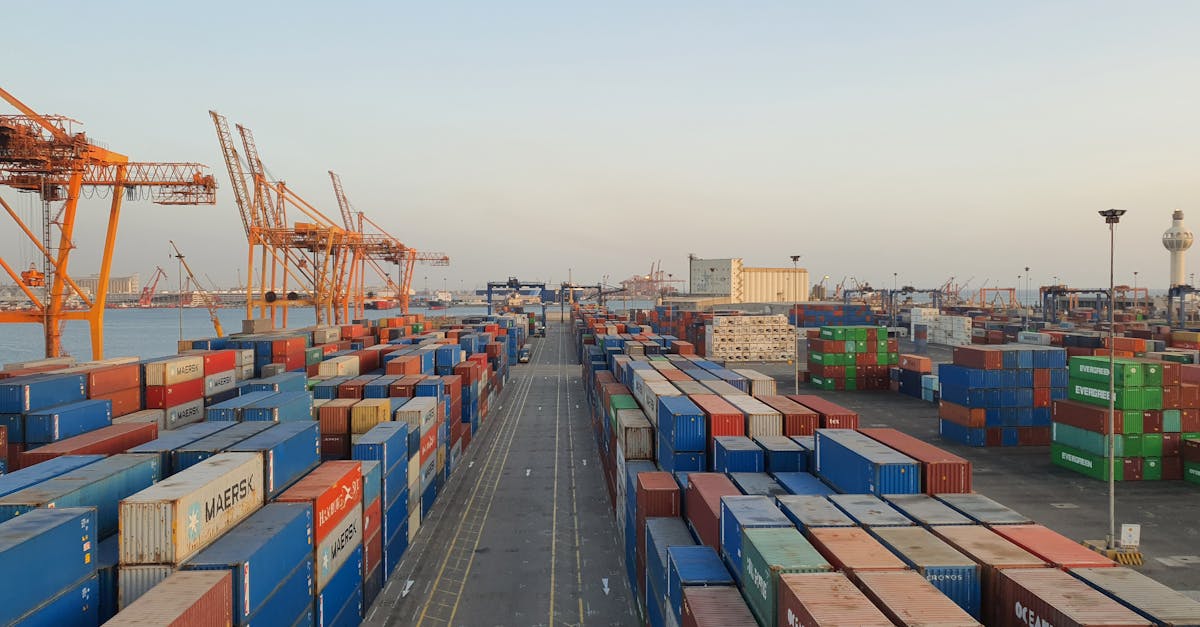
Thirty percent of US ecommerce suppliers started exploring new sourcing countries in 2025. That is the highest percentage in five years. The reason is simple: the tariff math on Chinese imports no longer works for most product categories. With combined duties reaching 145% on goods from China, sellers face a choice between absorbing costs that destroy margins or finding alternatives that come with their own set of problems.
This is not a forecast. This is what is already happening across the industry. Here is how the 2026 tariff landscape reshapes sourcing decisions for ecommerce sellers, what alternatives actually look like on the ground, and how to build a sourcing strategy that holds up when rates change again next quarter.
The 2026 Tariff Rate Map: What Each Country Costs You
Tariff rates across major sourcing countries have diverged sharply. The gap between the most expensive origin (China) and the cheapest viable alternatives now exceeds 100 percentage points. That gap makes country-of-origin the single largest variable in your landed cost calculation.
Here is the current tariff structure for the countries that matter most to ecommerce sellers.
| Country | Reciprocal Tariff Rate | Additional Duties | Effective Range |
|---|---|---|---|
| China | 125% | 20% fentanyl surcharge + Section 301 (7.5-25%) | 145-170% |
| Vietnam | 10% (paused from 46%) | Minimal | 10-15% |
| India | 26% | Anti-dumping on select goods | 26-35% |
| Thailand | 36% | Minimal | 36-40% |
| Indonesia | 32% | Minimal | 32-37% |
| Mexico (USMCA) | 0% if qualifying | 25% if non-qualifying | 0-25% |
| Bangladesh | 37% | Minimal | 37-42% |
| Cambodia | 49% | Minimal | 49-54% |
These rates are volatile. Vietnam's 46% announced rate dropped to 10% during a negotiation pause. India's rate could increase if bilateral talks stall. The only constant is that China's rate is not coming down to levels that make low-margin ecommerce products viable. For a full breakdown of how these rates interact with de minimis changes and Section 301 stacking, see our complete guide to 2026 US tariff changes.
"Tariffs jumped to 60% on electronics. My store's cost per unit went from $10 to $16. Absorbed half, passed half to customers. Cart abandonment spiked 40%. Now testing India suppliers but quality is a real problem."
- Ecommerce seller, r/ecommerce, Feb 2025
Why Sellers Are Leaving China (and What They Are Finding)
The shift away from China is not hypothetical. Major fashion companies reduced their China sourcing to low single digits as a percentage of US imports. Across the promotional products industry, 30% of suppliers actively explored new origin countries in 2025, the highest rate in five years.
But moving away from China is not the same as finding something better. Every alternative comes with tradeoffs.
- Vietnam absorbed the most displaced supply chains, with nearly 14% export growth in 2025. Textile and electronics manufacturing capacity is strong, but factories are increasingly congested and lead times have stretched 2-4 weeks beyond pre-tariff norms.
- India increased smartphone exports to the US by $15 billion after Chinese smartphone sourcing dropped by $18 billion. For textiles, jewelry, and home goods, Indian manufacturing is competitive on price. Quality consistency remains the most common complaint from sellers making the switch.
- Mexico offers the best tariff deal at 0% for USMCA-qualifying goods, plus 3-5 day ground shipping. Labor costs run $4-8 per hour. The catch is that minimum order quantities for new accounts tend to be high, and capacity for consumer goods is still limited compared to East Asia.
- All alternative countries combined produce roughly one-tenth of China's manufacturing capacity. That creates a supply bottleneck that drives up prices and extends timelines in the very countries sellers are fleeing to.
"Switched 70% of suppliers to Vietnam and India post-tariffs. Initial 3-month chaos with quality issues and longer leads, but now margins are back to 25%."
- Small business owner, r/smallbusiness, 2026
Real Landed Cost Comparisons: China vs. Vietnam vs. India
Tariff rates tell only part of the story. Landed cost includes manufacturing price, shipping, duties, insurance, and handling. Here is what the math looks like for a typical consumer product (a $5 manufactured cost item, shipped by sea, sold at $30 retail).
- From China: $5.00 product + $1.50 shipping + $7.25 duty (145%) + $0.75 handling = $14.50 landed cost. Gross margin at $30 retail: 51.7%.
- From Vietnam: $6.00 product (higher manufacturing cost) + $1.75 shipping + $0.60 duty (10%) + $0.75 handling = $9.10 landed cost. Gross margin at $30 retail: 69.7%.
- From India: $5.50 product + $2.00 shipping (longer route) + $1.43 duty (26%) + $0.75 handling = $9.68 landed cost. Gross margin at $30 retail: 67.7%.
- From Mexico (USMCA): $7.50 product (higher labor cost) + $0.75 shipping (ground) + $0.00 duty + $0.50 handling = $8.75 landed cost. Gross margin at $30 retail: 70.8%.
The numbers shift by category. Electronics from Vietnam carry a different cost profile than textiles from India. But the pattern holds: even with higher per-unit manufacturing costs, alternatives beat China on total landed cost by 30-40% at current tariff rates.
One supplier described the operational reality of this shift: when India received a 50% tariff hike in August 2025, they started trucking supplies between India and Bangladesh to shift production to whichever country had the lower rate that month. That kind of flexibility has become a survival skill.
The Quality and Lead Time Problem Nobody Warns You About
Sellers who switch sourcing countries based purely on tariff math often get burned on two fronts: quality and timing.
- First production runs from new Vietnamese and Indian suppliers frequently fail quality checks. Budget for at least two sample rounds and one trial production run before committing volume. One seller reported a 30% defect rate on their first Indian textile order, compared to under 2% from their Chinese supplier.
- Lead times from new suppliers run 20-40% longer than established Chinese relationships. A 30-day China turnaround becomes 40-50 days from Vietnam and 45-60 days from India for first orders. This stabilizes after 2-3 production cycles, but the initial gap can cause stockouts if you do not plan buffer inventory.
- Communication gaps add friction. Time zone differences with Indian suppliers (10.5-hour gap from US East Coast) mean slower response times. Language barriers are less common than a decade ago, but specification misunderstandings still cause costly rework.
The smart play is dual sourcing during the transition. Keep your Chinese supplier on reduced volume for your best-selling SKUs while you ramp up the new source. Yes, you pay higher tariffs on the China portion. But a 145% tariff on goods that arrive on time and pass quality control is better than a 10% tariff on goods that arrive late and defective.
"Had to truck supplies between India and Bangladesh when India received a 50% tariff. Shifting production to whichever country had the lower rate became our entire strategy."
- Promotional products supplier, ASI Central, March 2026
Building a Tariff-Resilient Sourcing Strategy
The sellers who survive volatile tariff environments share a common trait: they treat sourcing as a portfolio, not a single bet. Here is how to build that portfolio.
Start by mapping every SKU to its country of origin, HS code, and current duty rate. If you have 500 SKUs, this takes days. But you cannot make sourcing decisions without knowing where you stand. An operations playbook for supply chain disruptions covers the broader framework for this kind of audit.
- Split your catalog into three tiers. Tier 1: high-volume, high-margin products where sourcing diversification pays back fastest. Tier 2: mid-volume products where you test new suppliers with small orders. Tier 3: low-volume SKUs where you absorb current tariffs and revisit quarterly.
- Negotiate DDP (Delivered Duty Paid) terms with new suppliers so you know the exact landed cost before committing. DDU (Delivered Duty Unpaid) surprises at customs are how sellers blow budgets on their first alternative-country order.
- Build relationships with customs brokers who specialize in your product categories. The difference between two HS codes can be 15 percentage points in duties. A broker who knows your category can ensure you are classified correctly, not overpaying on a generic code. The Harmonized Tariff Schedule database is your reference for current rates.
- Set tariff rate change alerts. The US Trade Representative announces rate changes weeks in advance. When a rate drop is coming, hold shipments. When an increase is coming, accelerate purchase orders. Companies shifted their entire supply chain strategy from "just in time" to "just in case" in 2025, building redundancy and buffer inventories to ride out policy swings.
For sellers currently running a dropshipping model from China, the tariff math demands a different conversation entirely. Every individual package now incurs customs duties, making per-package direct shipping from China uneconomical for most products. Our post-tariff inventory playbook for dropshippers covers the transition from dropship to bulk import in detail.
What Happens When Tariff Rates Change Again
They will. Vietnam's rate has already swung from 46% to 10% during a negotiation pause. India's rate could move in either direction depending on bilateral talks. The DOJ is expected to increase enforcement against tariff evasion throughout 2026, which means schemes that rely on misclassification or transshipment through third countries carry growing legal risk.
The structural direction is clear even if individual rates fluctuate. The era of near-free importing from any single country is over. Sellers who build multi-country sourcing, maintain accurate landed cost data per SKU, and keep enough buffer inventory to absorb 30-60 day disruptions will outperform those who chase the lowest tariff rate of the moment.
Three things you can do this week:
- Pull your top 20 SKUs by revenue. Calculate the current landed cost from their country of origin. Identify which ones lose money at current tariff rates.
- Request quotes from one Vietnam and one India supplier for your top 5 SKUs. Compare total landed cost, not just unit price.
- Talk to your customs broker about HS code classification. Even a 5-point reduction in duty rate on your highest-volume products can save thousands per quarter.
The tariffs are not a temporary disruption. They are the new cost structure of cross-border ecommerce. The sellers who adapt their sourcing now, before the next rate change, are the ones who keep their margins intact. For the latest updates on trade policy, check US Customs and Border Protection trade resources and US Trade Representative announcements regularly.
Frequently Asked Questions
As of early 2026, China faces a combined tariff rate of up to 145% (20% fentanyl-related plus 125% reciprocal, plus Section 301 duties on specific categories). India faces a 26% reciprocal tariff. Vietnam currently sits at 10% during a negotiation pause, though the announced rate was 46%. These rates change frequently based on trade negotiations, so checking the US Harmonized Tariff Schedule before placing orders is critical.
In most cases, yes. Vietnam at 10% and India at 26% carry far lower tariff burdens than China at 145%. However, total landed cost includes more than tariffs. Vietnam and India often have higher per-unit manufacturing costs, longer lead times for new supplier relationships, and lower production capacity for certain product categories. The net savings depend on your specific product, order volume, and how quickly you can qualify a new supplier.
Most sellers report 3 to 6 months to qualify a new supplier in Vietnam or India, including sample rounds, quality testing, and first production runs. Initial orders often face quality inconsistencies and longer lead times. Budget for at least two sample rounds and one trial production run before committing volume. Some sellers maintain dual sourcing from China and the new country during the transition to avoid stockouts.
Neither approach works as a blanket policy. A tiered strategy works best: absorb tariff increases on high-margin products to hold customer loyalty, split costs on mid-margin items, and pass through or discontinue low-margin products where the new price kills demand. Sellers who raised prices across the board report 20-35% drops in sales volume. SKU-level margin analysis is essential before making any pricing decision.
Yes, goods that meet USMCA rules of origin can enter the US at 0% duty. The product must be manufactured or substantially transformed in Mexico, not just repackaged. Mexico also offers 3-5 day ground shipping to most US markets and competitive labor costs. The upfront investment in setting up Mexican manufacturing is significant, but for sellers with over $200K in annual China tariff exposure, the ROI often pays back within 12-18 months.
Related Articles
View all
Strait of Hormuz Supply Chain Response Plan for Ecommerce Brands
Oil above $110, carrier surcharges climbing, and lead times stretching. The response plan ecommerce brands need now to protect inventory and margins.

Shopify Stores Are Now Inside ChatGPT. Here's Why That's a Problem.
Shopify is enrolling every store into ChatGPT by default in late March 2026. There's a 4% fee, AI agents decide what gets recommended, and if your inventory isn't synced across channels, you're one viral prompt away from overselling everywhere.

Google's March 2026 Core Update: What E-Commerce Sites Need to Fix Right Now
Google's first full core update of 2026 is live. Sites with original research gained ~22% visibility. AI-generated content dropped. Here is what changed, who won, who lost, and the concrete fixes for e-commerce sites.