Freight Rate Volatility 2026: How to Budget When Shipping Costs Spike
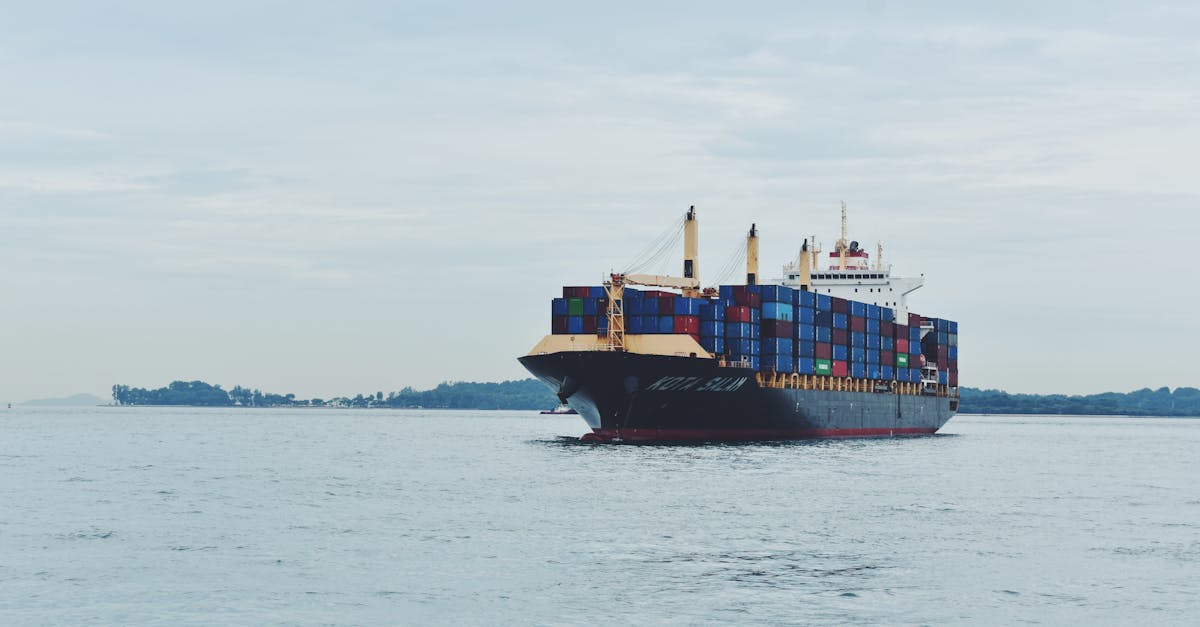
In January 2026, a container from Shanghai to Los Angeles cost around $1,889 per FEU. By February, the same route dropped to $1,200. By mid-March, after a round of carrier General Rate Increases and the Hormuz disruption, quotes climbed back above $3,400. That is a 183% swing in under 90 days.
If your shipping budget is a single annual number based on last year's average, it broke sometime around week six. This is the reality of freight rate volatility in 2026: rates are lower than the pandemic peaks, but they move faster and less predictably than at any point in the past decade. The question is not whether your shipping costs will spike. It is whether your budget can absorb the spike when it arrives.
What Is Actually Happening to Freight Rates in 2026
The headline story is that container shipping rates are down 70-85% from the 2022 peaks. That is true on an annual average basis, and it is also misleading. The averages hide violent short-term swings that determine whether your quarterly P&L is green or red.
Here is what the rate data actually looks like across major routes:
| Route | 2022 Peak ($/FEU) | Q1 2026 Low ($/FEU) | Q1 2026 High ($/FEU) | Swing |
|---|---|---|---|---|
| Shanghai to Los Angeles | $12,000 | $1,200 | $3,400 | 183% |
| Shanghai to Rotterdam | $14,000 | $1,500 | $2,200 | 47% |
| Far East to US East Coast | $10,500 | $2,688 | $3,957 | 47% |
| Far East to North Europe | $13,200 | $1,500 | $1,968 | 31% |
Two forces are pulling rates in opposite directions. On the supply side, carriers added over 7 million TEU of new vessel capacity in 2024-2025. That overcapacity is pushing base rates down. On the demand side, geopolitical disruptions (the Red Sea rerouting, the Strait of Hormuz crisis, shifting tariff regimes) keep creating sudden demand surges on specific routes. The result is a market where the annual average is low, but any given month can spike 30-50% above that average.
"We locked in a contract rate of $2,100 Shanghai to LA in December. Felt great. Then spot dropped to $1,200 in February and we were paying nearly double the market. Then Hormuz hit and spot went to $3,400 and we felt like geniuses again. This market is not plannable with a single number."
- r/supplychain, freight procurement manager (March 2026)
Maersk projects its Ocean revenue will fall 13.4% to $30.3 billion in 2026, with EBITDA dropping 60% to $2.6 billion. The industry average loaded rate is forecast at $1,932 per FEU, down 13.7% year over year. But that average will include months at $1,200 and months at $3,400. Planning to the average means losing money in both directions.
The Hidden Costs That Blow Up Shipping Budgets
Base freight rates get the headlines. The surcharges that stack on top of them do the actual damage to ecommerce margins. Most sellers budget for the base rate and treat surcharges as rounding errors. In 2026, surcharges can exceed the base rate on certain routes.
Here are the surcharges currently active across major carriers:
- Fuel surcharges (BAF/bunker adjustment factor): recalculated monthly, tied to oil prices. With Brent crude above $100/barrel since mid-March, BAF on Asia-US routes runs $400-$800 per FEU.
- Peak Season Surcharges (PSS): Maersk imposed $800/FEU on Far East to North Europe routes. CMA CGM charges similar amounts on trans-Pacific lanes during demand surges.
- General Rate Increases (GRI): Hapag-Lloyd applied a $2,000 GRI on Middle East to US routes. GRIs typically land with 15-30 days notice.
- War Risk Surcharges: $500-$1,500 per TEU across all carriers for routes touching the Persian Gulf or transiting near conflict zones.
- Emergency Congestion Surcharges: $300-$1,200 per FEU at congested ports, applied and removed with little warning.
- EU Carbon Quota surcharges: new in 2026, carriers must cover 70% of 2025 emissions, and they are passing this cost through at $50-$150 per container on Europe-bound routes.
"I budgeted $2,400 all-in per container Asia to East Coast. The base rate came in at $2,700. Then fuel surcharge $600, PSS $400, congestion surcharge at destination $350. My all-in was $4,050. That is 69% over budget on a single shipment. Multiply that by 40 containers a quarter and I have a real problem."
- r/ecommerce, DTC brand founder (February 2026)
The pattern is clear: carriers use surcharges as dynamic pricing levers. They adjust faster than contract renegotiations. Your budget needs to account for them separately from base rates, or it will always underestimate actual shipping spend.
A Freight Budgeting Framework That Handles Volatility
The traditional approach to shipping budgets is to take last year's spend, add an inflation adjustment, and divide by 12. That method assumes rates move gradually and predictably. It fails in 2026 because rates move in steps, driven by carrier announcements and geopolitical events. Here is a framework built for the current environment.
Step 1: Calculate Your Per-Unit Landed Cost at Three Rate Scenarios
For every SKU you import, calculate the fully landed cost (product cost plus freight plus duties plus surcharges plus insurance) at three freight rate levels:
- Floor scenario: the lowest spot rate available in the past 90 days
- Base scenario: your contract rate or the 90-day average spot rate
- Spike scenario: 40% above the base rate (this matches the typical surcharge-driven spike pattern in 2026)
If a SKU is unprofitable at the spike scenario, you have a pricing vulnerability. Either raise the price now to build margin buffer, reduce the product cost, or find a closer supplier.
Step 2: Split Your Volume Between Contract and Spot
The overcapacity in 2026 gives buyers use on contracts, but contracts lock you into a rate that may be above spot for months. The split that most freight procurement managers are running:
- 60-70% on annual contract: guarantees space, caps your worst-case rate, protects during disruptions
- 30-40% on spot: captures the low-rate periods created by overcapacity
Review the split quarterly. If spot has been below your contract rate for 60 consecutive days, shift 10% more to spot. If a disruption hits, shift volume back to contract. This is not about predicting the market. It is about having the flexibility to respond.
Step 3: Build a Freight Reserve Fund
Set aside 10-15% of your projected annual shipping spend in a separate account. Fund it monthly. Draw from it when actual shipping costs exceed your base scenario by more than 15%. This turns a margin-destroying spike into a planned expense. The reserve also prevents the most common mistake during a spike: panic-ordering via air freight at 5-10x the ocean rate because you failed to build buffer stock ahead of the disruption.
Step 4: Set Threshold-Based Pricing Triggers
Define a landed-cost threshold for each product category. When your actual landed cost crosses that threshold for two consecutive shipments, trigger a price adjustment. The delay between cost increase and price response is where margin evaporates. Automating this with rules in your order management system closes that gap from weeks to days.
For a deeper look at how fuel price swings cascade through every layer of ecommerce costs, see our breakdown of war, fuel prices, and ecommerce operations in 2026.
How Freight Volatility Affects Inventory Decisions
Freight rates and inventory strategy are linked more tightly than most sellers realize. When shipping costs spike, you face a choice: absorb the higher cost on your next order, or delay reordering and risk a stockout. Both options cost money. The right answer depends on your inventory carrying cost versus your per-order freight cost.
Here is the math on a concrete example. Suppose you sell a product with these numbers:
- Product cost: $8.00 per unit
- Normal freight cost: $1.50 per unit (at base container rate)
- Spike freight cost: $2.50 per unit (at 40% above base)
- Selling price: $24.99
- Monthly sales velocity: 2,000 units
- Carrying cost: 25% of inventory value per year
If you order a normal 30-day supply at the spike rate, you spend an extra $2,000 on freight ($1.00 per unit x 2,000 units). If you order a 60-day supply at the spike rate to avoid reordering during the spike window, you spend $5,000 extra on freight but lock in stock. The carrying cost on that extra 30-day supply is approximately $396 per month ($9.50 landed cost x 2,000 units x 25% / 12). The freight spike costs you $2,000 per order. The carrying cost of buying ahead costs $396 per month. If you expect the spike to last more than five months, ordering the larger quantity at the spike rate is cheaper than placing two separate orders.
This calculation changes for every SKU, and that is the point. A single shipping budget does not capture these tradeoffs. You need per-SKU landed cost tracking that updates with each shipment.
"We started running landed cost scenarios for every PO after getting burned in October when spot rates spiked 38% overnight. Now we model three freight rate scenarios before placing any order over $10k. It takes 20 minutes per PO and has saved us from two bad reorder decisions already this year."
- r/FulfillmentByAmazon, private label seller (January 2026)
Reading the Signals: When the Next Spike Is Coming
Freight rate spikes in 2026 are not random. They follow a pattern of leading indicators that give you 2-4 weeks of warning. Monitoring these signals lets you shift volume to contract, accelerate purchase orders, or build buffer stock before the spike hits your invoices.
Key indicators to watch:
- Carrier GRI announcements: published 15-30 days before effective date. Track these on carrier websites or freight index platforms. When two or more major carriers announce GRIs within the same week, the increase is likely to stick.
- Blank sailing notices: when carriers cancel scheduled voyages to reduce capacity, rates rise within 2-3 weeks. The Freightos Baltic Index tracks these patterns.
- Oil price movements: a sustained move above $100/barrel triggers fuel surcharge recalculations. BAF adjustments follow with a 30-60 day lag.
- Port congestion data: vessel queue lengths at Long Beach, Rotterdam, and Shanghai are published weekly. Queue times above 3 days signal congestion surcharges within 2 weeks.
- Geopolitical developments: the Hormuz crisis, Red Sea attacks, and tariff announcements all moved rates within days. Set news alerts for chokepoint disruptions and trade policy changes.
None of these signals predict the exact magnitude of a spike. They tell you that a spike is forming. Your response should be predetermined: if Signal X fires, execute Action Y. Define those responses now, before the next spike. A written playbook removes the decision lag that costs money during fast-moving disruptions. For a broader crisis response framework, see our recommended reading on Flexport's research portal.
What to Do This Week
Theory is useful. Action is what saves margin. Here are five things you can do in the next seven days to make your shipping budget resilient to the next rate spike.
- Pull your last 12 months of freight invoices. Separate base rates from surcharges. Calculate what percentage of your total shipping cost came from surcharges alone. If it is above 25%, you have been under-budgeting.
- Run the three-scenario landed cost model (floor, base, spike) on your top 20 SKUs by revenue. Identify which SKUs go unprofitable at the spike scenario. Those are your pricing vulnerabilities.
- Open a freight reserve account. Fund it with 1% of this month's revenue. Set a recurring monthly transfer. You will thank yourself during the next disruption.
- Contact your freight forwarder and ask for a blended contract/spot proposal. If you are currently 100% spot or 100% contract, either extreme is costing you money.
- Set up a weekly freight rate check. Spend 15 minutes every Monday reviewing the Xeneta or Freightos indices for your lanes. Compare to your budgeted rate. If actual rates exceed your base scenario by more than 15% for two consecutive weeks, trigger your spike response plan.
Freight rate volatility is not going away. The combination of vessel overcapacity pushing rates down and geopolitical instability pushing them up creates a market that swings harder and faster than the pre-pandemic era. The sellers who survive are the ones who stop budgeting to averages and start budgeting to ranges. Build the buffer. Split the volume. Watch the signals. Adjust the prices. That is the entire strategy.
Frequently Asked Questions
How much have container shipping rates changed in 2026?
Rates are down 70-85% from the 2022 peaks of $12,000-$14,000 per FEU on major routes. However, short-term swings of 30-50% within a single quarter are common. The Far East to US West Coast route ranged from $1,200 to $3,400 per FEU in Q1 2026 alone. The industry average loaded rate is projected at $1,932 per FEU for the year, but planning to the average leaves you exposed to both the dips and the spikes.
What percentage of revenue should ecommerce sellers budget for shipping?
In stable conditions, 8-15% of revenue covers shipping and fulfillment. In the current volatile market, sellers importing from Asia should budget 12-18%. The more important number is your per-unit landed cost at three freight scenarios (floor, base, spike). If any SKU is unprofitable at the spike scenario, it needs a pricing or sourcing adjustment before the next rate increase arrives.
Should I lock in contract rates or use spot rates in 2026?
Use a blended approach. Lock 60-70% of your volume into annual contracts for rate ceilings and guaranteed capacity. Keep 30-40% on spot to benefit from the low base rates created by fleet overcapacity. Review the split quarterly. This approach limits your downside during spikes while letting you capture savings during calm periods.
How do I know when a freight rate spike is coming?
Watch for carrier GRI announcements (15-30 days lead time), blank sailing notices (2-3 weeks lead time), oil price movements above $100/barrel (30-60 day lag to fuel surcharges), and port congestion data (queue times above 3 days signal surcharges within 2 weeks). When two or more of these signals fire simultaneously, a spike is forming. Have your response plan written before the signals appear.
How does freight volatility affect inventory reorder decisions?
When freight costs spike, compare the incremental shipping cost of ordering now versus the carrying cost of buying a larger quantity to bridge the spike window. For a product with a $9.50 landed cost at spike rates and 25% annual carrying cost, holding an extra 30 days of stock costs roughly $198 per month per 1,000 units. If the alternative is placing a second order during a spike window, the carrying cost is often cheaper. Run this math per SKU before every purchase order during volatile periods.
Frequently Asked Questions
Container shipping rates in 2026 have been highly volatile despite an overall downward trend from 2022 peaks. Far East to US West Coast rates ranged from $1,200 to $3,400 per FEU within a single quarter, driven by capacity adjustments, Red Sea rerouting, and geopolitical events like the Hormuz crisis. Far East to US East Coast rates moved between $2,688 and $3,957. Rates are down 70-85% from the 2022 highs of $12,000-$14,000 per FEU, but short-term spikes of 20-38% in a single month remain common. Fuel surcharges, war risk premiums, and General Rate Increases from carriers add $800-$2,000 per container on top of base rates.
Most ecommerce sellers spend 8-15% of revenue on shipping and fulfillment in stable conditions. In 2026, sellers importing from Asia should budget 12-18% to account for rate volatility. The exact percentage depends on product weight, origin port, and channel mix. A useful rule is to calculate your per-unit shipping cost at the current spot rate, then model the same cost at 40% above spot to stress-test your margins. If the higher rate makes a SKU unprofitable, that SKU needs a pricing adjustment or a sourcing change before the next spike arrives.
Three practical approaches work together. First, split your freight between contract rates and spot rates, with 60-70% on annual contracts that lock in a ceiling and 30-40% on spot to benefit from dips. Second, build a freight reserve fund equal to 10-15% of your annual shipping spend, funded monthly, that you draw from during spikes. Third, set threshold-based pricing rules in your store so that when your landed cost per unit rises above a defined percentage, product prices adjust automatically within 48 hours. This removes the delay between cost increase and price response that destroys margins.
Use both. The 2026 market favors a blended approach because overcapacity is pushing contract rates down (Maersk projects Ocean revenue down 13.4%), but geopolitical events create sudden spot rate spikes. Lock 60-70% of your volume into annual contracts to guarantee capacity and rate ceilings during peak season and disruptions. Keep 30-40% on spot to take advantage of the low base rates created by fleet overcapacity. Review the split quarterly. If spot rates stay below your contract rate for two consecutive months, shift more volume to spot. If a disruption hits, shift volume back to contract.
Related Articles
View all
Strait of Hormuz Supply Chain Response Plan for Ecommerce Brands
Oil above $110, carrier surcharges climbing, and lead times stretching. The response plan ecommerce brands need now to protect inventory and margins.

Shopify Stores Are Now Inside ChatGPT. Here's Why That's a Problem.
Shopify is enrolling every store into ChatGPT by default in late March 2026. There's a 4% fee, AI agents decide what gets recommended, and if your inventory isn't synced across channels, you're one viral prompt away from overselling everywhere.

Google's March 2026 Core Update: What E-Commerce Sites Need to Fix Right Now
Google's first full core update of 2026 is live. Sites with original research gained ~22% visibility. AI-generated content dropped. Here is what changed, who won, who lost, and the concrete fixes for e-commerce sites.