The Multichannel Seller's Playbook for Navigating the 2026 Supply Chain Crisis
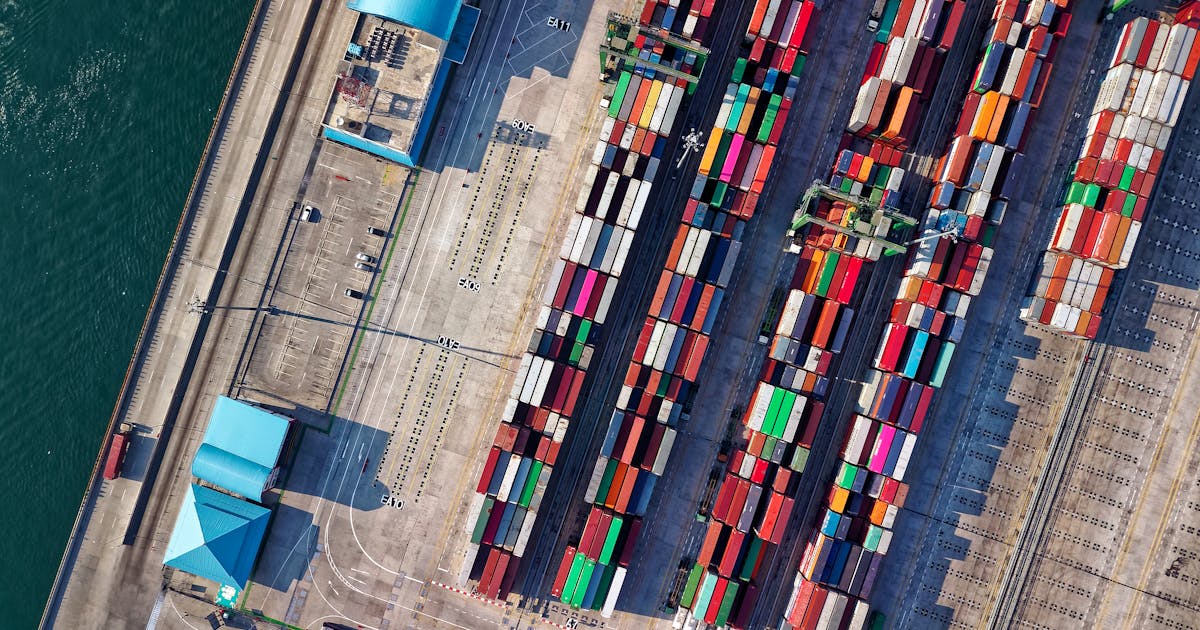
If you sell on two or more channels, the Strait of Hormuz crisis does not just hit you once. It hits you differently on each channel, at different times, with different consequences. Your Amazon FBA inventory runs on a different replenishment cycle than your Shopify store. Your eBay listings have different margin structures than your TikTok Shop. Your Walmart fulfillment SLAs are separate from your Etsy processing times.
A single-channel seller has one set of problems. A multichannel seller has compounding problems, and compounding opportunities, if they act strategically.
This is a concrete playbook for multichannel operators dealing with the current disruption. Not theory. Tactics.
The Multichannel Problem: Why This Crisis Is Different When You Sell Everywhere
Supply chain disruptions expose a fundamental tension in multichannel selling: every channel competes for the same pool of inventory, but each channel has different costs, different margins, different fulfillment requirements, and different penalties for failure.
During normal operations, this tension is manageable. You restock regularly, maintain safety stock, and the system absorbs minor fluctuations. During a crisis that delays shipments by 10-14 days, spikes shipping costs 40%+ (tracked on the Freightos Baltic Index), and traps 450,000 TEU of cargo in the Persian Gulf, the tension breaks the system.
Here is what breaks first:
- Inventory allocation becomes zero-sum. Every unit sold on Amazon is a unit unavailable on Shopify. When replenishment is delayed, this tradeoff becomes acute.
- Channel-specific costs diverge. Amazon FBA fees are fixed, but your 3PL costs now include fuel surcharges. The margin gap between channels widens.
- Fulfillment SLAs diverge. Amazon's delivery promises are automated and punitive. Your own site's delivery estimates are manual and adjustable. The operational cost of meeting different SLAs with constrained inventory is not the same.
- Overselling risk multiplies. With lower stock levels across channels, the window between "in stock" and "oversold" shrinks. A 15-minute sync delay that was harmless at 500 units becomes catastrophic at 50 units.
"Inventory allocation during shortages? Amazon takes priority because it moves 10x faster, but when UPS strikes hit, your Shopify and Walmart channels dry up first. I allocate 60/20/20 (Amazon/Shopify/other) now, but still oversold Etsy by accident."
- r/FulfillmentByAmazon, u/FBAVet (80 upvotes, 2022)
Step 1: Map Your Actual Exposure
Before making any changes, you need a clear picture of where you stand. This takes an afternoon, not a week. Do it now.
Inventory Audit
For every SKU, document:
- Current on-hand quantity across all locations (warehouse, FBA, 3PL, in-transit)
- Units currently in transit and expected arrival date (verify with carrier, do not trust pre-crisis ETAs)
- Days of supply remaining at current sell-through rate, per channel
- Any units trapped in affected regions (Gulf ports, vessels rerouting)
Margin Audit
For every SKU on every channel, calculate current contribution margin using today's costs (not last month's):
Contribution Margin = Selling Price - (COGS + Updated Shipping + Channel Fees + Returns Allowance)
Use current freight rates, not contracted rates from three months ago. Include the new surcharges. Include the fuel surcharge increases on last-mile delivery. This recalculation will show you which channel-SKU combinations are still profitable and which are underwater.
Supplier Audit
For every supplier:
- Where do they ship from? Does the route pass through Hormuz or the Red Sea?
- Have they communicated delays or cost increases?
- Do they have alternative shipping routes or fulfillment locations?
- What are their payment terms? (This matters for cash flow during extended delays.)
Step 2: Reallocate Inventory by Margin, Not by Volume
This is the highest-use move a multichannel seller can make during a supply disruption, and the one most sellers get wrong.
The instinct is to keep selling at the same rate on every channel and hope the next shipment arrives in time. When it does not, you run out everywhere simultaneously. Every channel suffers. Every channel's metrics degrade.
The better approach: allocate constrained inventory to your highest-margin channels first.
How to Prioritize Channels
Rank your channels by contribution margin per unit (not revenue, not volume):
- Your own store (Shopify, WooCommerce, BigCommerce): Typically highest margin because you pay no marketplace commission. You control pricing, fulfillment, and customer communication. During a crisis, this is your most valuable channel.
- Amazon (FBA): Higher fees, but highest volume for most sellers. FBA also handles fulfillment, which reduces your operational burden during disruption. The tradeoff: FBA restock limits and IPI score are vulnerable when inbound shipments are delayed.
- Amazon (FBM): Lower fees than FBA, but you handle fulfillment. More flexible during a crisis because you control shipping speed and can adjust handling times without affecting IPI score.
- Walmart Marketplace: Strict fulfillment SLAs (on-time delivery rate matters). Factor in the operational cost of meeting Walmart's requirements with delayed inventory before allocating stock here.
- eBay: More flexible on shipping times. Sellers can update dispatch time and use shipping exceptions. Good channel to maintain presence without risking SLA penalties.
- TikTok Shop: Typically lower ASP and margin. If inventory is constrained, reduce allocation here first unless TikTok is driving significant customer acquisition.
- Etsy, Faire, and niche marketplaces: Evaluate individually based on margin and fulfillment flexibility.
"When ports clogged, I ranked channels: 1. Amazon (volume), 2. Shopify (profit), 3. eBay (filler). Big concern, limited stock means choosing losers. Sacrificed eBay entirely, still got hit with Amazon oversell fees."
- r/shopify, u/ShopifyNomad (150 upvotes, 2021)
Channel Prioritization During Supply Shortage
| Priority Level | Channel | Why Prioritize | Risk If Deprioritized |
|---|---|---|---|
| 1 (Highest) | Amazon FBA | Highest velocity; automated fulfillment reduces operational load during disruption | Account health penalties, IPI score drops, loss of Buy Box, suppressed listings |
| 2 | Shopify DTC | Best margins with no marketplace commission; full control over pricing and communication | Customer loyalty loss, damage to brand reputation, missed high-margin revenue |
| 3 | Walmart Marketplace | Growing marketplace with increasing buyer base; strong long-term positioning | Seller scorecard damage, listing suppression, loss of earned search placement |
| 4 (Lowest) | eBay | Flexible listings with adjustable handling times; lower fulfillment pressure | Lower consequences overall, but lost visibility and reduced search ranking over time |
The Mechanics of Reallocation
Reallocation does not mean pulling listings. It means adjusting available-to-promise (ATP) inventory per channel.
If you have 200 units of a product and sell across 4 channels, a naive split gives each channel 50 units. A margin-weighted split might give your DTC store 80, Amazon FBA 70, eBay 30, and TikTok Shop 20. You are not leaving any channel out. You are allocating proportionally to where each unit generates the most profit.
This requires real-time inventory sync. If your channels are not connected, you are guessing. And during a supply crunch, guesses lead to overselling on one channel and dead stock on another.
Step 3: Channel-Specific Adjustments
Amazon
FBA inbound delays: Shipments routed through affected lanes will arrive late. Amazon's restock recommendations will not account for this. Manually adjust your restock calculations using actual carrier ETAs, not Amazon's estimated arrival dates.
IPI score protection: Your Inventory Performance Index drops when inbound shipments are delayed and sell-through rates change. Protect it by:
- Sending smaller, more frequent FBA shipments to stay within limits
- Using a domestic 3PL as a staging buffer before sending to FBA
- Switching slow-moving FBA ASINs to FBM temporarily to reduce aged inventory penalties
- Removing stranded inventory and fixing listing errors that trap stock
FBM as a safety net: Enable Fulfillment by Merchant on your top ASINs as a backup. If FBA runs out, FBM keeps the listing active and your organic rank intact. Set realistic handling times (5-7 business days) and communicate shipping timelines clearly in the listing.
Pricing: Use Amazon's Automate Pricing tool cautiously. If your costs increased 30% and your automated repricer is matching competitors who have not adjusted yet, you are selling at a loss. Set minimum price floors based on current landed costs, not historical costs.
Advertising: Reduce spend on low-margin ASINs. Shift budget to products with healthy margins at current costs. Sponsored Products CPC has not changed dramatically yet, but if your margin per unit dropped, the same ACOS now yields lower profit.
Shopify / DTC Store
Shipping rates and estimates: Update shipping rates to reflect current costs. If you offer free shipping, consider raising the free shipping threshold. A threshold increase from $50 to $75 is less jarring than adding a $7 shipping charge.
Delivery estimates: Add a banner or notification about potential shipping delays. Specific beats vague: "Orders may take 10-14 additional business days due to global shipping disruptions" performs better than "Shipping delays expected."
Pre-orders and backorders: If a product is running low, switch to pre-order or backorder with a clear expected ship date rather than marking it out of stock. You keep the sale and the revenue. The customer gets transparency.
Bundling: Bundle slow movers with fast movers to increase average order value and reduce per-unit shipping cost impact. During a cost crisis, bundles protect margin better than individual SKU price increases.
eBay
Handling time: Extend your handling time in Business Policies. eBay is generally more flexible than Amazon on fulfillment speed. Going from 1-day to 3-day handling is low-risk.
Shipping exception: Use eBay's shipping exception tool to flag disruptions without penalizing your seller metrics. Document the disruption clearly.
Promoted Listings: If margins are tight, reduce Promoted Listings ad rates on low-margin items. eBay's ad system is a percentage of sale, so the cost scales with volume, but on a $15 item with compressed margin, even 5% promoted spend may not make sense.
Walmart Marketplace
On-time delivery: Walmart's seller scorecard penalizes late deliveries more aggressively than most marketplaces. If you cannot meet current shipping SLAs, adjust your shipping templates before orders come in, not after.
WFS (Walmart Fulfillment Services): If you use WFS, monitor inbound shipment status carefully. WFS restock limits are separate from your own warehouse. If WFS runs out, switch to seller-fulfilled with updated shipping timelines.
Pricing: Walmart's price parity monitoring will flag you if your prices are significantly higher than Amazon. If you raise prices on Amazon, update Walmart simultaneously to avoid listing suppression.
TikTok Shop
Fulfillment: TikTok Shop's fulfillment requirements are still maturing. Use this flexibility to your advantage: set conservative shipping estimates and over-deliver when possible.
Inventory allocation: TikTok Shop's viral nature means demand can spike unpredictably. During a supply crunch, keep lower inventory allocation here and use listing deactivation as a quick shutoff if a product goes viral and you cannot fulfill.
Etsy
Processing time: Update your processing time to reflect current reality. Etsy buyers generally expect and tolerate longer processing times than Amazon or Walmart buyers.
Shop announcement: Use the shop announcement feature to communicate proactively about potential delays. Etsy buyers respond well to transparency from sellers.
Step 4: Adjust Your Supply Chain
Diversify Suppliers by Route
If your entire supply chain routes through the Strait of Hormuz or the Red Sea (which is also under Houthi threat again), you are exposed to a dual chokepoint crisis. Start conversations now with suppliers who ship through unaffected routes:
- Eastern Europe (Poland, Romania, Czech Republic): For electronics components, textiles, and light manufacturing. Overland or Baltic shipping to Western Europe and transatlantic to the US.
- North Africa (Morocco, Tunisia, Egypt): For textiles, leather goods, and basic manufacturing. Mediterranean shipping, no Hormuz dependency.
- Latin America (Mexico, Colombia, Brazil): For textiles, food products, and consumer goods. USMCA-compliant goods from Mexico face 0% tariff. Short shipping lanes to the US.
- Domestic (US, EU): Higher per-unit cost, but zero exposure to maritime chokepoints, tariffs, or multi-week transit times. Worth evaluating for your top sellers.
Switching suppliers takes months, not days. The point is to start now so you have alternatives for Q3 and Q4.
"Dealing with Ukraine war delays: Allocated 70% to FBA, but inbound rejections left Shopify barren. Real fix: Split shipments geographically, US supplier for Shopify, Asia for Amazon. Survived by luck, multichannel without geo-split is suicide."
- r/FulfillmentByAmazon, u/FulfillMaster (110 upvotes, 2023)
Rethink Fulfillment Geography
If all your inventory sits in one location, a single disruption can affect every channel. Consider:
- Regional 3PLs: A West Coast 3PL and an East Coast 3PL reduce your dependency on any single port or shipping lane.
- FBA as distributed fulfillment: Amazon distributes FBA inventory across its network. During supply disruptions, FBA's geographic distribution is an operational advantage.
- Forward-positioning for high-velocity SKUs: If you know a product sells heavily in a specific region, pre-position inventory there before further disruptions hit.
Step 5: Protect Cash Flow
Supply chain crises kill e-commerce businesses through cash flow, not through demand loss. You pay more for goods that arrive later. Your capital is tied up in inventory sitting on ships. Emergency air freight burns cash. Stockouts lose revenue that was already committed to advertising.
Immediate Cash Flow Actions
- Reclassify POs by margin and velocity. Cancel or delay orders for slow-moving, low-margin SKUs. Redirect capital to top sellers that will turn quickly.
- Negotiate payment terms. If your supplier offers net-30, ask for net-45 or net-60 during the disruption. Many suppliers will accommodate to retain relationships.
- Reduce advertising on underwater SKUs. If a product's margin no longer covers its ACOS, pause ads. Do not fund customer acquisition for products that lose money on every sale.
- Audit subscription and tool costs. In a margin crunch, eliminate tools that overlap or that you are paying for but not using.
- Consider pre-orders to front-load revenue. Collecting payment now for products shipping later improves cash flow during the gap between paying your supplier and receiving inventory.
The Inventory-Cash Tradeoff
Building buffer stock ties up cash. Not building buffer stock risks stockouts that lose more revenue than the carrying cost. The right balance depends on your specific numbers:
- For top-10 SKUs by contribution margin: build 4-6 weeks of additional buffer
- For mid-tier SKUs: maintain current levels but reorder earlier than usual (add 2-3 weeks to your reorder point)
- For tail SKUs (bottom 20% by margin): let them run down. Redeploy that capital to your top sellers.
Step 6: Communicate Proactively Across Every Channel
Customers tolerate delays when they know about them in advance. They do not tolerate surprises. The data is consistent: proactive communication about shipping delays reduces customer service contacts by 30-50% and significantly decreases refund requests compared to reactive communication after a delay occurs.
Communication Checklist by Channel
| Channel | Action |
|---|---|
| Amazon (FBA) | No action needed. Amazon manages delivery promises |
| Amazon (FBM) | Update handling time in Seller Central. Add shipping note to listing description. |
| Shopify / DTC | Update shipping rates. Add site-wide banner. Update order confirmation email with delay notice. Update tracking page messaging. |
| eBay | Update dispatch time. Use shipping exception tool. Add note to listing description. |
| Walmart | Update shipping templates. Adjust transit time estimates. Monitor seller scorecard. |
| TikTok Shop | Update shipping timeline. Communicate in product description and shop bio. |
| Etsy | Update processing time. Post shop announcement. Message recent buyers if their orders are affected. |
| Email / SMS | Send proactive update to subscriber list about potential delays and what you are doing about it. |
Step 7: Set Up Your Operational War Room
During a supply chain crisis, the sellers who do best are the ones checking the right numbers daily, not weekly. Here is what to monitor:
Daily Checks
- Inventory levels by channel: Are any SKUs approaching zero on any channel? Can you reallocate before stockout?
- In-transit shipment status: Have any vessels been rerouted or delayed further? Update your arrival estimates.
- Channel metrics: Order defect rate (Amazon), on-time delivery (Walmart), dispatch time compliance (eBay). Catch SLA violations before they trigger penalties.
- Customer service volume: A spike in "where is my order" contacts is an early indicator that delivery estimates need updating.
Weekly Checks
- Landed cost recalculation: Have freight rates, surcharges, or fuel costs changed this week? Update your pricing models.
- Margin by channel-SKU: Which combinations are still profitable at current costs? Which need price adjustments or reduced allocation?
- Supplier communication: Any new delays, cost increases, or route changes from your suppliers?
- Competitor pricing: Are competitors adjusting prices? If they raise prices and you do not, you gain volume but may lose margin. If they do not raise prices, they may be absorbing losses you cannot afford to match.
The Tool Question
Running these checks manually across 3-5 channels using spreadsheets and separate dashboards is possible for a week. It is not sustainable for the months this disruption may last. If you are managing inventory across multiple channels without a unified system, this crisis will expose every gap in your operational visibility.
Real-time inventory sync across all channels is not a nice-to-have during a supply disruption. It is the difference between a controlled allocation strategy and a series of overselling fires. When stock is constrained, every unit matters. A 15-minute sync delay at low inventory levels means selling units you do not have, on the channel that can least afford a cancellation.
What the Next 90 Days Look Like
Based on analyst projections and the current trajectory of the conflict:
- Weeks 1-4 (now): Immediate surcharge impact. Carrier rerouting. Inventory delays begin. This is the window to audit, reallocate, and communicate.
- Weeks 4-8: The congestion wave hits. Rerouted containers arrive at ports in clusters, overwhelming drayage and warehouse receiving. Delivery times extend further as port backlogs build. This is when fulfillment operations get tested.
- Weeks 8-12: Cost pass-through reaches consumers. Product prices rise across the board. Consumer demand shifts toward essentials and lower-cost alternatives. This is when marketing strategy needs to adapt: messaging, positioning, and channel mix.
The sellers who use this 90-day window to restructure their operations, diversifying supply, optimizing channel allocation, building inventory buffers, and centralizing operational visibility, will be positioned to recover faster when shipping normalizes. The sellers who treat it as a temporary disruption and wait it out will find themselves behind.
The Bottom Line
Multichannel selling amplifies both the risk and the opportunity during a supply chain crisis. Every channel competes for constrained inventory. Every channel has different cost structures, SLAs, and penalties. Managing this manually across disconnected tools is the fastest way to lose margin, violate SLAs, and oversell.
The playbook is: audit your exposure, reallocate inventory by margin, make channel-specific adjustments, diversify your supply chain, protect cash flow, communicate proactively, and monitor daily. The sellers who execute this methodically will not just survive the Hormuz crisis. They will take market share from the ones who do not.
Frequently Asked Questions
Prioritize by contribution margin per channel, not revenue. Calculate: (selling price - channel fees - shipping cost - COGS) for each channel. Allocate your constrained inventory to channels with the highest contribution margin first. For most sellers, this means your own Shopify/DTC store gets priority (lowest fees), followed by Amazon (highest volume), then secondary marketplaces. Use real-time inventory sync to prevent overselling as stock runs low.
Usually no. Instead of pausing entirely, adjust: raise prices on low-margin channels to slow velocity, reduce advertising spend on channels where margin is thin, and shift to longer handling times rather than delisting. Pausing a marketplace listing can tank your search ranking and take months to recover. It is better to sell at reduced volume than to disappear and rebuild from zero after the crisis.
FBA restock limits are based on sell-through rate and IPI score, both of which get disrupted when inbound shipments are delayed. Protect your IPI by: (1) switching high-risk ASINs to FBM temporarily, (2) using a 3PL as a buffer warehouse to stage inventory before sending to FBA, (3) sending smaller, more frequent shipments to stay within limits, and (4) requesting restock limit increases through Seller Central if your account qualifies.
Three priorities: (1) Build 4-6 weeks of additional buffer stock on top-selling SKUs, funded by reducing stock on slow movers. (2) Implement real-time inventory sync so every unit counts, when stock is limited, you cannot afford phantom inventory or sync delays causing oversells. (3) Diversify fulfillment: use FBA for Amazon volume, a domestic 3PL for DTC and marketplace orders, and consider FBM as a backup if FBA inbound is delayed. The goal is redundancy, not efficiency.
Each channel has different mechanisms: Amazon: update handling time in Seller Central; eBay: update dispatch time and use the shipping exception tool; Shopify: update shipping rates and add a banner to your storefront; Etsy: update processing times and use shop announcements. Be specific about delays (say '10-14 additional business days' not 'shipping may be delayed'). Across all channels, proactive communication reduces support tickets by 30-50%.
Related Articles
View all
Ecommerce and Supply Chain Management: The Complete Guide for Multichannel Brands
A complete guide to ecommerce and supply chain management for multichannel brands, covering the six core stages, failure points, metrics, and systems that keep operations running in real time.

Amazon Just Changed When You Get Paid. Most Sellers Haven't Noticed Yet.
On March 12, 2026, Amazon started holding your money for 7 extra days after delivery. No announcement. No opt-out. If you sell $100K/month, you just lost access to $23K-$33K in working capital overnight, and that is only one of six ways Amazon is squeezing sellers this year.

How War and Fuel Prices Ripple Through Every Layer of E-Commerce Operations
Oil jumped from $72 to $126/barrel. Shipping surcharges hit $4,000/container. Polymer prices up 42%. This is how armed conflict translates into real cost increases across your entire e-commerce operation, warehouse to doorstep.