Multi Channel Marketing vs Omni Channel: Honest Comparison
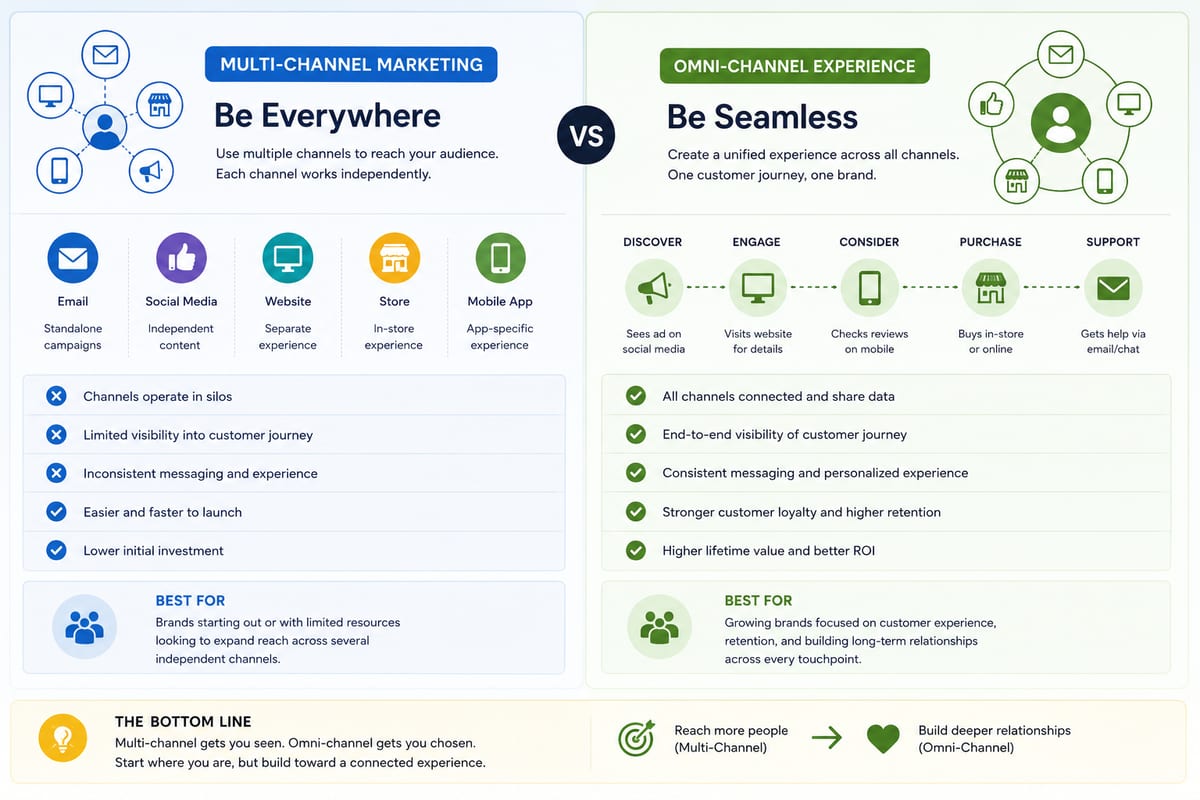
The multi channel marketing vs omni channel debate generates significant content but limited operational clarity. Marketing publications treat the terms as interchangeable; consulting firms position omni channel as the "evolved" approach; vendors market both as natural progressions. The actual operational difference between multi channel marketing and omni channel is significant and worth understanding clearly, because the architectural and operational implications differ substantially.
This article walks through what multi channel marketing actually means, what omni channel actually means, the operational differences that matter, and which approach fits which ecommerce contexts.
What Multi Channel Marketing Actually Means
Multi channel marketing operates customer-facing presence across multiple channels, storefront, marketplaces, social media, email, advertising platforms, with each channel running relatively independently. The brand has presence in many places, but the channels operate as distinct entities with separate optimization.
Channel-specific optimization. Each channel gets optimized for its specific dynamics. Amazon listings optimize for Amazon's algorithm. Instagram content optimizes for Instagram's engagement patterns. Email campaigns optimize for email metrics.
Channel-specific teams or roles. Often different people own different channels. Amazon manager, Shopify manager, social media coordinator, email marketer.
Channel-specific metrics and reporting. Each channel produces its own metrics. Combined reporting requires manual aggregation across systems.
Limited cross-channel customer tracking. Customer journeys across channels are difficult to track. Same customer interacting with Instagram, Amazon, and email shows up as separate customer records.
Independent inventory and order systems often. Each channel may have its own inventory data and order processing, with reconciliation happening manually or through periodic sync.
This is how most ecommerce brands actually operate, regardless of which terminology they use in their marketing materials.
What Omni Channel Actually Means
Omni channel integrates customer-facing presence and operational systems across channels into one unified experience. The brand presents consistently across channels because the underlying systems share data, and customers experience continuity as they move between channels.
Unified customer profile across channels. The same customer interacting through Instagram, Amazon, email, and the storefront produces one customer record with consolidated history.
Consistent experience across touchpoints. Pricing, product information, branding, and policies stay consistent regardless of where customers interact. Inconsistencies that break the omni channel illusion get treated as bugs.
Cross-channel customer journey orchestration. Marketing campaigns work across channels with coordinated messaging. Customers who saw an Instagram ad get different email treatment than customers who came through search.
Unified inventory and order data. One canonical source of inventory state shared across channels. Orders from any channel flow into one operational system.
Cross-channel attribution and analytics. Customer journeys tracked across channels. Marketing attribution accounts for multi-touch journeys.
True omni channel requires significant operational and technical investment. Most brands marketing themselves as omni channel actually operate as multi channel with omni channel aspirations.
The Operational Difference That Matters
The functional difference between multi channel marketing and omni channel is not just terminology, it is whether the underlying operational systems integrate or operate independently.
Multi channel marketing works when channels operate independently because the operational reality is independent channels. Each channel optimizes for itself. Cross-channel coordination happens manually as needed.
Omni channel works when channels operate as one unified system because the operational reality is unified data and shared workflows. Cross-channel coordination is automatic because the channels share underlying infrastructure.
The difference matters operationally because operations promising omni channel experiences while running multi channel infrastructure produce predictable failures:
Inventory drift between channels. Customers see a product available on Instagram, click through, find it sold out. The "unified" experience breaks at the inventory layer.
Inconsistent pricing. Same product shows different prices on different channels because pricing systems are not unified.
Disconnected customer service. Customer service teams cannot see customer history from other channels. Customers explain themselves repeatedly.
Marketing attribution failures. Campaigns appear ineffective in single-channel attribution that does not capture cross-channel journeys.
According to Wikipedia's overview of inventory management, centralized data ownership across distributed channels is foundational to operational accuracy, and for omni channel specifically, this becomes the architectural requirement that determines whether the customer-facing promise can actually be delivered. For deeper context, see our multichannel ecommerce framework.
Which Approach Actually Fits Your Operation
The choice between multi channel marketing and omni channel is not really a choice between strategies. It is a question of whether operational infrastructure supports unified experiences or not.
Multi channel marketing fits operations with:
- Independent channel teams optimizing for channel-specific metrics
- Manageable cross-channel complexity that manual coordination handles
- Channels where customer journeys do not significantly cross
- Limited resources for omni channel infrastructure investment
- Specific channels (some marketplaces) that resist deep integration
Omni channel fits operations with:
- Customers who genuinely move across channels in their buying journeys
- Operational complexity that benefits from unified data and workflows
- Brand experiences that depend on consistency across touchpoints
- Resources to invest in unified infrastructure
- Strategic emphasis on customer experience as differentiation
Most growing ecommerce brands sit between these poles, doing multi channel marketing while progressively building toward omni channel capabilities. The transition is gradual and infrastructure-driven rather than strategy-driven.
The Infrastructure That Supports Omni Channel
Operations actually building omni channel capabilities need specific infrastructure investments beyond marketing tools.
Unified inventory data. One canonical source of stock state across all channels. According to Cloudflare's documentation on webhooks, event-driven sync provides the real-time data foundation that omni channel experiences require.
Unified customer data. One profile per customer that aggregates interactions across channels. Customer Data Platforms (CDPs) typically handle this layer.
Unified order management. Orders from any channel flow into one operational system with shared workflows. For broader context, see our order management system framework.
Cross-channel marketing tools. Campaigns that orchestrate across channels rather than running independently per channel.
Unified analytics and attribution. Reporting that captures customer journeys across channels with appropriate multi-touch attribution.
Operations investing in this infrastructure progressively move toward genuine omni channel capabilities. Operations investing only in marketing tools without underlying data infrastructure produce omni channel marketing claims that operational reality undermines.
How Nventory Supports the Multi-to-Omni Channel Transition
Nventory.io provides the unified inventory and order management layer that omni channel infrastructure depends on. The platform consolidates inventory data across storefronts and marketplaces into one canonical source, eliminating the channel-by-channel data fragmentation that prevents true omni channel experiences.
The platform connects WooCommerce, Shopify, BigCommerce, Amazon, eBay, Walmart, TikTok Shop, Etsy, and 30+ other channels through webhook-driven architecture with sub-5-second sync propagation. Customer-facing experiences across these channels can reflect consistent inventory state because the underlying data is consistent.
For WordPress and WooCommerce stores, download Nventory free from WordPress.org. For Shopify operations, install Nventory from the Shopify App Store. Both versions provide the same unified data foundation.
The free tier includes core multi-channel inventory and order management functionality. Paid tiers add advanced workflows for operations with more complex omni channel infrastructure requirements. For broader operational context, see how this connects to inventory management practices that support omni channel at scale.
How to Decide Between Multi Channel and Omni Channel
Operations facing this decision should evaluate practical factors rather than aspirational positioning.
Factor 1: Customer journey reality. Do your customers actually move across channels in meaningful patterns? Or do most customers stay within their preferred channel?
Factor 2: Operational resources. Do you have engineering, data, and operations capacity to build and maintain omni channel infrastructure? Or are resources constrained?
Factor 3: Channel mix. Are your channels integration-friendly (modern APIs, webhook support)? Or do some channels (legacy marketplaces) resist deep integration?
Factor 4: Competitive context. Do your competitors deliver omni channel experiences? Or is multi channel marketing the category standard?
Factor 5: Strategic emphasis. Is customer experience consistency a competitive differentiator for your brand? Or do customers buy primarily on price and product?
Operations with customer journeys crossing channels significantly, adequate resources, integration-friendly channels, omni channel competitive context, and customer-experience-driven strategy benefit from omni channel investments. Operations missing several of these factors are usually better served by excellent multi channel marketing.
Common Multi Channel vs Omni Channel Mistakes
A few patterns to avoid.
Confusing marketing positioning with operational reality. Saying "we are omni channel" in marketing materials does not make operations omni channel. The underlying infrastructure determines reality.
Investing in omni channel marketing tools without omni channel data infrastructure. Marketing tools that promise omni channel orchestration produce limited value if the underlying data is not unified.
Treating omni channel as a goal rather than a capability set. Omni channel is the cumulative result of specific infrastructure investments, not a strategic decision to make.
Forcing omni channel on inappropriate operations. Some operations genuinely fit multi channel marketing better. Forcing omni channel onto these operations wastes resources without producing customer experience improvements.
Underestimating omni channel infrastructure investment. True omni channel requires significant data, integration, and operational investment. Operations attempting it without adequate investment produce omni channel theater without omni channel reality.
Final Thoughts
The multi channel marketing vs omni channel comparison is less about strategy and more about operational infrastructure. Multi channel marketing operates channels independently with manual coordination. Omni channel integrates channels through unified data and workflows. Both approaches fit specific operational contexts; neither is universally superior. Operations that match their approach to their customer reality, resources, and competitive context produce better outcomes than operations forcing approaches that do not fit.
If you are building toward omni channel capabilities and need the unified inventory and order management foundation, install Nventory on your platform of choice. For WordPress and WooCommerce stores, download Nventory free from WordPress.org. For Shopify stores, install Nventory from the Shopify App Store. Visit nventory.io to review platform capabilities that support multi channel and omni channel operations.
Frequently Asked Questions
Multi channel marketing runs channels independently with manual cross-channel coordination. Omni channel integrates channels into unified experiences through shared data and workflows. The difference is infrastructure-driven, not strategy-driven.
Yes, with sufficient infrastructure investment. The infrastructure includes unified inventory, customer, and order data plus cross-channel marketing and analytics tools. Nventory provides the inventory and order layer, available on WordPress.org and the Shopify App Store.
Sometimes. For brands where customer experience consistency is a competitive differentiator, omni channel produces meaningful business value. For brands competing primarily on price or product, multi channel marketing can produce equivalent outcomes at lower infrastructure cost.
No. Operations should match their approach to their customer reality, operational resources, and competitive context. Omni channel is not universally better; it fits specific contexts.
Unified inventory and order data, customer data platforms, cross-channel marketing tools, and unified analytics. Investment ranges from $50K to $1M+ depending on operational scale and channel complexity.
Yes, progressively. Starting with unified inventory and order management (Nventory) provides the foundation that other omni channel capabilities build on. The infrastructure investment scales with operational growth.
Related Articles
View all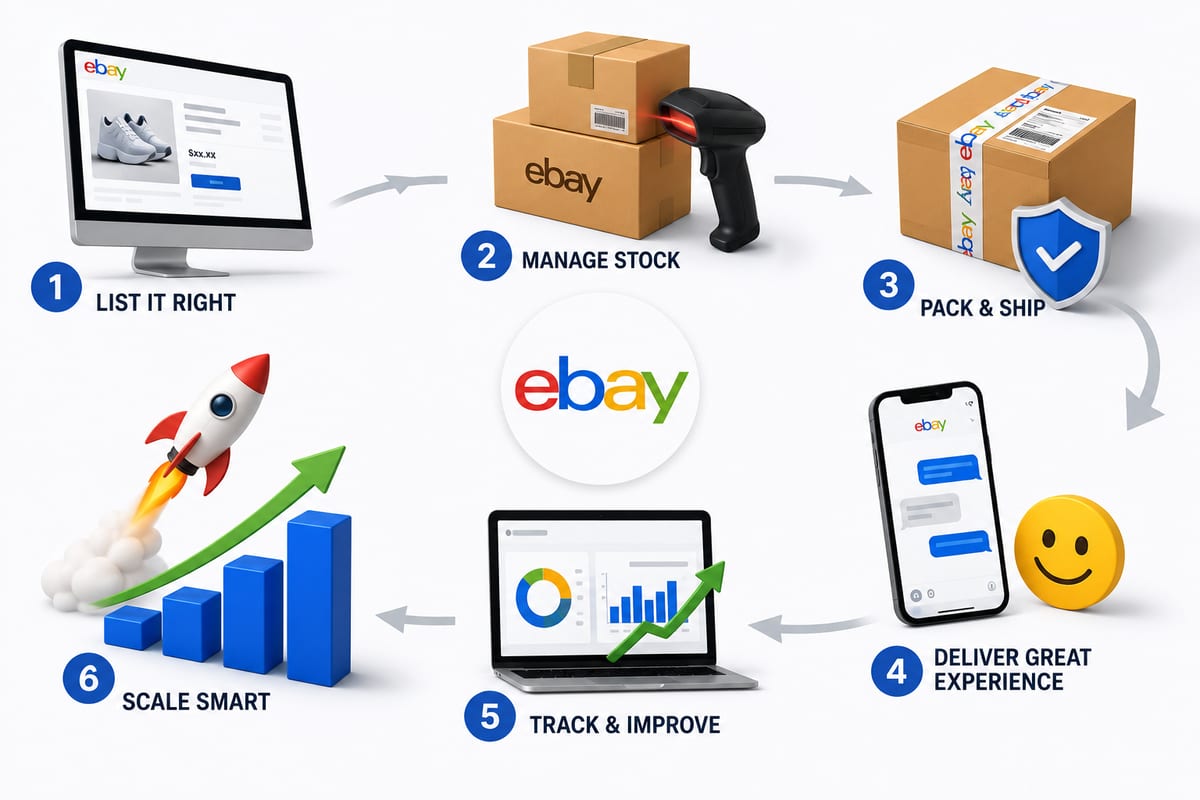
Tips on How to Sell on eBay: Operational Practices at Scale
Tips on how to sell on eBay alongside multiple channels. The operational practices that protect seller standing and produce sustainable margin.
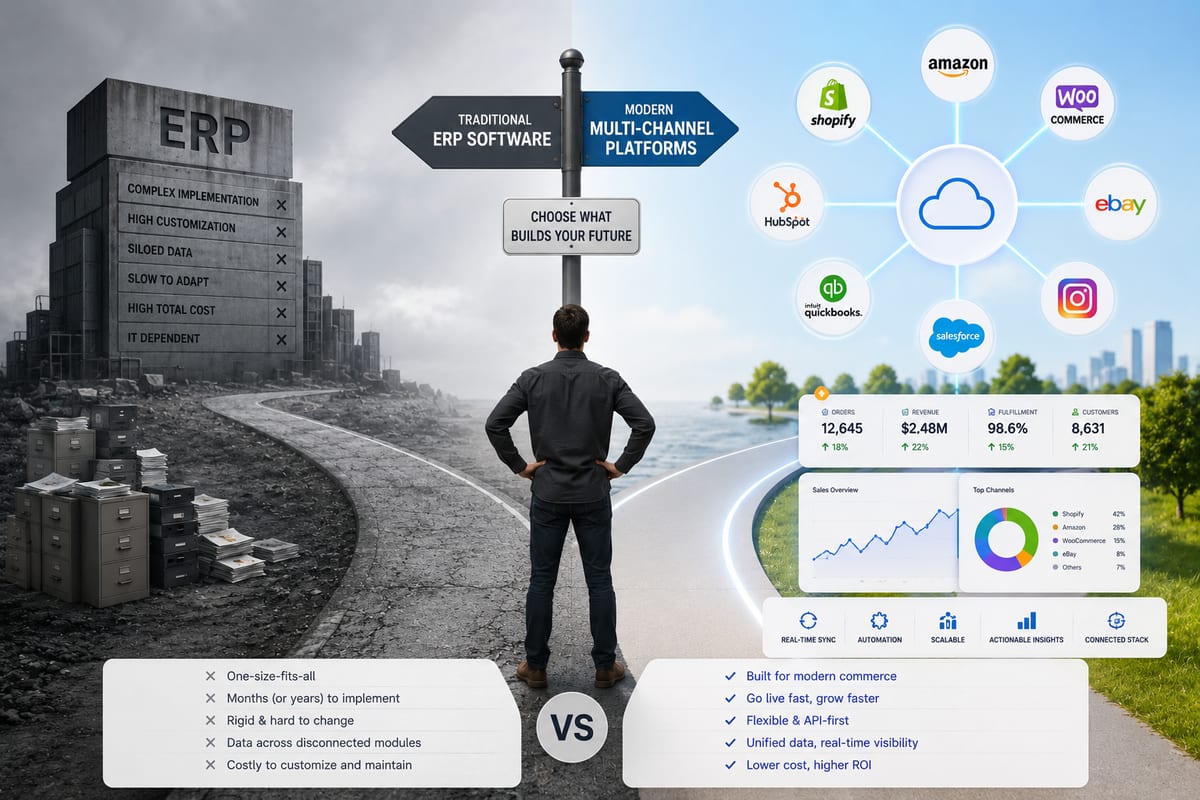
ERP Software vs Multi-Channel Platforms: Honest Choice
ERP software comparison for growing ecommerce brands. When ERP fits and when multi-channel platforms produce better outcomes at lower cost.
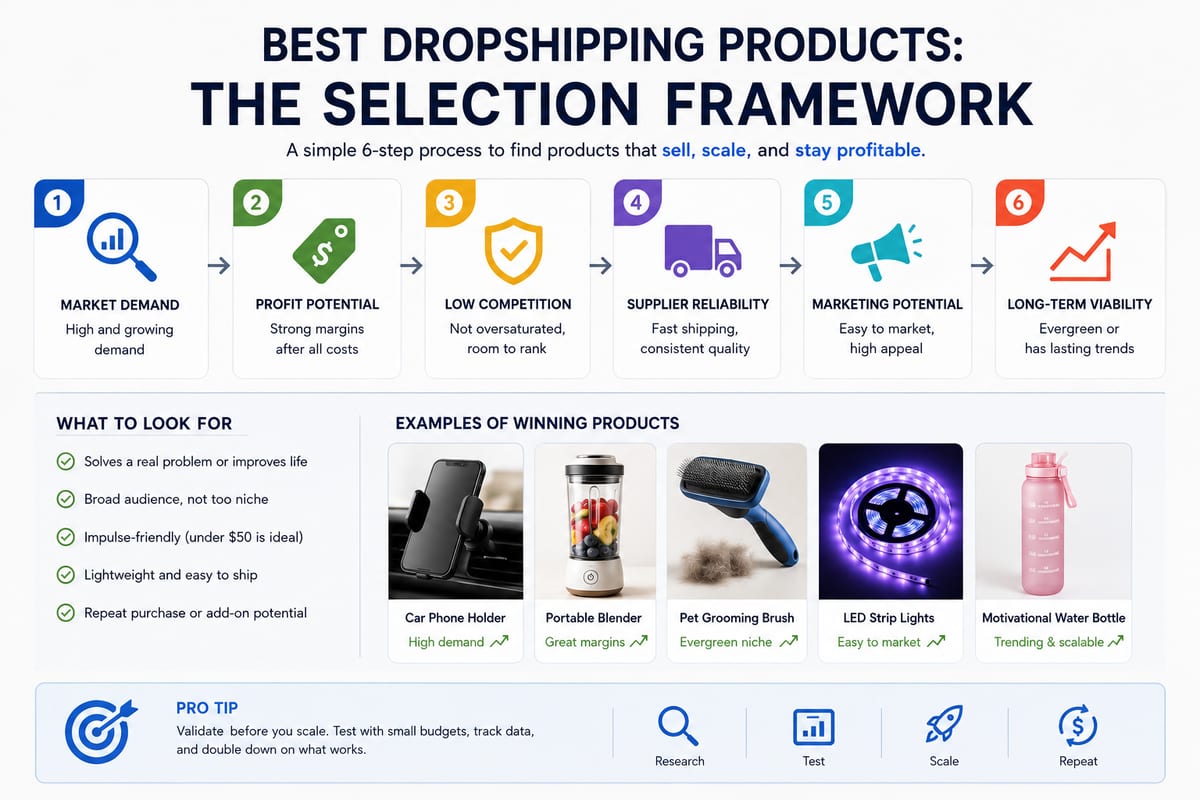
Best Dropshipping Products: The Selection Framework
Best dropshipping products selection framework for serious operators. The criteria that distinguish profitable categories from saturated ones.